
Under Armour’s pricing strategy carefully balances its premium brand image with affordability to stay competitive. The company sets prices that reflect its focus on performance and innovation, while keeping many products accessible to a broad audience. This approach helps Under Armour maintain a strong position alongside competitors like Nike and Adidas by blending advanced technology with reasonable price points.
What is Under Armour’s overall pricing strategy?
Under Armour positions itself as a premium performance brand without pricing itself out of reach. Its pricing typically sits in the mid-to-upper range of the athletic apparel market. Instead of competing solely on low price, the brand emphasizes product quality and innovation to justify premiums. This strategy targets athletes and fitness enthusiasts willing to pay more for technological features but who also look for good value. By balancing innovation-driven pricing with accessibility, Under Armour remains competitive in a crowded market.
How does Under Armour’s pricing reflect its brand identity?
The brand’s pricing supports its image as performance-focused and premium yet accessible. Pricing too low would undermine perceptions of quality and innovation, while pricing too high could alienate customers seeking value. Under Armour’s prices generally reflect the advanced materials and technologies it uses, like moisture-wicking and compression fabrics, without venturing into luxury territory. This balance helps the brand appeal to both serious athletes and casual fitness fans, maintaining credibility and inclusivity.
In what ways does product innovation influence Under Armour’s prices?
Innovation drives many of Under Armour’s pricing decisions. Proprietary technologies such as HeatGear and ColdGear fabrics allow the brand to charge more than basic athletic wear. New product lines with advanced materials or design improvements carry higher price tags to reflect added value. For example, a running shoe with enhanced cushioning and stability will be priced above simpler models. This innovation-based pricing differentiates Under Armour and rewards customers willing to pay for performance benefits. Meanwhile, entry-level products remain competitively priced to keep the brand accessible.

How does Under Armour’s pricing compare to Nike and Adidas?
Under Armour’s prices generally fall between Adidas and Nike, though it varies by product. Nike often has the highest prices, leveraging strong brand equity and exclusive collaborations. Adidas usually prices slightly lower, focusing on lifestyle and style alongside performance. Under Armour concentrates on functional innovation, pricing products to reflect this focus without matching Nike’s premium levels. For example, a standard running shoe from Under Armour might be priced below Nike’s equivalent but above Adidas. This reflects Under Armour’s emphasis on performance over fashion trends, shaping its pricing and target consumers.

What role do discounts and promotions play in Under Armour’s pricing?
Under Armour uses discounts and promotions mainly to manage inventory and attract price-sensitive customers without damaging its premium image. Seasonal sales, outlet pricing, and specific promotional periods help clear older stock while keeping new releases near full price. Unlike brands that rely on frequent discounting, Under Armour limits promotions to protect its pricing power and brand value. This approach maintains exclusivity around new products while offering deals to reach a wider audience.
How important are direct-to-consumer channels in Under Armour’s pricing decisions?
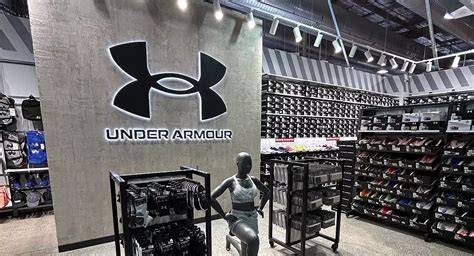
Direct-to-consumer channels, including Under Armour’s own stores and website, give the company more control over pricing and profit margins. Selling directly helps avoid retailer markups and allows more flexible pricing adjustments based on demand and inventory. This control supports consistent brand positioning and tighter management of discounts. While DTC requires investment in marketing and customer experience, it enables Under Armour to protect its brand image and pricing strategy more effectively than through wholesale channels.
How does Under Armour adjust pricing for international markets?
Under Armour adjusts prices internationally based on factors like local economic conditions, currency fluctuations, tariffs, and competition. In markets with lower purchasing power, prices or product offerings may be adapted to stay competitive. Currency exchange rates and import duties also affect retail prices. The company considers local competitors’ pricing to avoid pricing itself out of markets. For example, pricing in Europe or Asia can differ significantly from North America to reflect these factors while balancing global brand consistency with local realities.
What impact do supply chain costs have on Under Armour’s pricing?
Supply chain costs directly affect Under Armour’s retail prices. Rising raw material costs, manufacturing expenses, and logistics fees all increase production costs. For instance, higher fuel prices or port delays raise shipping costs, which the company must factor into pricing to maintain margins. While Under Armour may absorb some short-term increases to stay competitive, sustained cost hikes typically lead to higher prices for consumers.
How does Under Armour’s pricing strategy evolve during product lifecycle stages?
Under Armour adjusts prices according to each product’s lifecycle. New products launch at premium prices targeting early adopters who value the latest innovations. As products mature and face competition, prices stabilize or decline slightly to attract a wider audience. Near the end of a product’s lifecycle, discounts and outlet sales help clear inventory. This staged approach maximizes revenue while preserving the premium image of new releases and reserving discounts for older models.
What lessons can marketers learn from Under Armour’s pricing approach?
Under Armour’s pricing shows the importance of balancing brand image, innovation, and market demands. Premium pricing needs to be backed by clear, tangible benefits to convince customers to pay more. Selective discounting helps protect brand value while managing inventory. Controlling pricing through direct-to-consumer channels gives flexibility and supports brand consistency. Finally, adapting prices for different markets and product lifecycles highlights the need for responsiveness. Overall, Under Armour demonstrates that pricing is about reinforcing identity and meeting customer expectations, not just setting numbers.
Conclusion
Under Armour’s pricing strategy is a key part of its brand identity, blending innovation and performance with accessibility. The company uses direct sales channels and regional adjustments to handle complexity and opportunity in pricing. Prices evolve through product lifecycles and market shifts to balance premium appeal and affordability. Understanding how Under Armour manages these trade-offs offers valuable insight into competitive pricing and brand management in athletic apparel.
Frequently Asked Questions
Does Under Armour price its products higher than Nike?
Generally, Nike prices are higher, especially for top-tier or limited-edition items. Under Armour usually positions its prices slightly below Nike’s but above many mainstream alternatives, focusing on performance innovation to justify the cost.
How often does Under Armour offer discounts or sales?
Under Armour limits discounts to specific seasons, outlet stores, or promotional events instead of frequent sales. This helps maintain a premium brand image while still offering deals to price-sensitive customers.
Why does Under Armour’s pricing vary internationally?
International pricing varies due to currency exchange rates, tariffs, local competition, and consumer purchasing power. These factors require Under Armour to adjust prices to stay competitive and profitable in different markets.
How do direct-to-consumer sales influence Under Armour’s pricing?
Direct-to-consumer channels give Under Armour more control over pricing and margins, allowing flexible adjustments and stronger brand consistency. They avoid retailer markups and manage discounts strategically through their own stores and website.
What role does product innovation play in Under Armour’s pricing?
Product innovation is central to Under Armour’s pricing. Proprietary technologies and advanced materials justify premium prices, as customers see added value in features like temperature-regulating fabrics compared to basic athletic wear.