The 4Ps of marketing—Product, Price, Place, and Promotion—are a simple but powerful way to improve your product strategy. They help you think about every part of how your product reaches and appeals to customers, not just one aspect like price or advertising. Whether you’re a marketing student or running a small business, understanding and using the 4Ps together can help you create a product that sells and stands out in the market.
Why should I care about the 4Ps for my business?
The 4Ps matter because they make sure you look at your product from all the angles customers experience. If you focus only on one or two parts—like having a great product but ignoring price or promotion—you might leave potential buyers unaware or uninterested.
A balanced strategy using the 4Ps helps you create value customers recognize and want to pay for. Even the best product won’t sell well if it’s priced too high, sold in the wrong place, or not promoted effectively.
For small businesses or marketing students, the 4Ps provide a clear framework to organize your efforts and identify weak spots. They guide you on what to improve or adjust to better meet your customers’ needs and compete in your market. Paying attention to all 4Ps increases your chances of building a strategy that actually works instead of guessing or focusing too narrowly.
How do the 4Ps work together in real life?
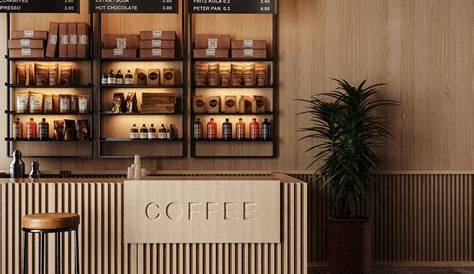
The 4Ps don’t work separately—they influence and depend on each other. Picture opening a new coffee shop. Your Product includes what kind of coffee you serve, its quality, and extras like pastries or seating.
Your Price needs to match what people nearby can afford and what competitors charge. Price too high, and customers might skip you; too low, and you might lose money or seem low quality.
Place is where you set up shop. A busy street with lots of foot traffic will attract more customers than a hidden alley. You might also sell coffee online or deliver to offices.
Promotion is how you spread the word—through flyers, social media, or a grand opening event. Your promotion should explain what makes your coffee special, such as fair-trade beans or a cozy atmosphere.
If you offer premium coffee (Product) at a high price, your Promotion should justify why it’s worth it, and your Place should be accessible to customers willing to pay more. Changing one P usually means adjusting the others. This keeps your marketing consistent and effective.

What’s a common mistake people make when using the 4Ps?
A common mistake is focusing too much on one or two Ps while neglecting the rest. Many small businesses fixate on competitive pricing or flashy promotions but overlook whether the product meets customer expectations or if it’s available where customers shop.
Ignoring product quality might bring short-term sales but damage your reputation over time. Overemphasizing promotion without clear product value can attract attention but fail to convert sales. Likewise, a great product at a perfect price won’t sell if customers can’t find it easily.
Another mistake is treating the 4Ps as fixed. Markets and customer preferences change, so your marketing mix should evolve too. Sticking rigidly to one strategy without seeing how the Ps interact or respond to feedback can hold you back.
Balancing all four and reviewing them regularly helps you avoid these pitfalls.
How do the 4Ps fit with modern marketing ideas?
The 4Ps started decades ago to simplify marketing. Since then, the model has expanded into frameworks like the 7Ps, which add People, Process, and Physical evidence—especially useful for service businesses.
Modern marketing also focuses on being customer-centric—understanding customer experience, building relationships, and personalizing offers instead of just selling a product. This means paying close attention to customer needs and adjusting your marketing mix accordingly.
Still, the original 4Ps remain a practical starting point. They help you define the basics of what you offer and how you deliver it. For more complex or service-based businesses, the additional Ps and customer-focused models add depth, but the 4Ps keep the foundation clear and manageable.
Think of the 4Ps as the core framework you can expand or customize based on your business type and goals.
Can small businesses really use the 4Ps effectively?
Yes. Small businesses and startups benefit from the 4Ps because they offer a simple way to organize marketing decisions without overwhelming complexity.
You don’t need to implement every tactic or analyze every detail to use the 4Ps. Start by clearly defining your product and target customers. Then set prices that cover costs and fit your market. Choose places where your customers already shop or gather, and plan simple promotions like social media posts or local events.
For example, a local bakery might focus on fresh, unique pastries (Product), price them competitively, sell from a busy neighborhood storefront (Place), and promote through community events and Instagram (Promotion). This keeps efforts aligned without requiring a big marketing team.
The key is to keep the 4Ps flexible and realistic for your resources, using them as a guide rather than a strict rulebook.
How do I analyze my product using the 4Ps?
To analyze your product with the 4Ps, ask yourself:
- Product: What exactly am I offering? What benefits does it provide? How is it different from competitors?
- Price: How does my price compare to similar products? Does it reflect the value and cover my costs?
- Place: Where do my customers expect to find my product? Are those channels convenient and accessible?
- Promotion: How do I currently tell people about my product? Which methods are effective or not?
Write down your answers and look for gaps or mismatches. For example, if your product is high quality but priced lower than competitors, customers might question its value. Or if you sell mainly online but your customers prefer in-person shopping, you may need to adjust your Place.
This checklist shows how well the 4Ps align and where you could improve to better meet your customers’ needs.
How can I adjust the 4Ps to improve my sales?
Improving sales usually means adjusting one or more of the Ps based on customer feedback and market changes.
For Product, consider adding features, improving quality, or repackaging to make it more attractive. For Price, try discounts, bundles, or tiered pricing to reach different customer groups.
Place adjustments might include selling through new channels or making your product easier to find. Promotion changes could involve testing new advertising platforms, partnering with others, or refining your messaging to highlight benefits that matter to customers.
Try to test one change at a time and measure the results. For example, if you add a loyalty program (Promotion), see if repeat purchases increase. If they don’t, you might need to review your product or price instead.
Small, careful changes guided by the 4Ps can make a big difference over time.
What if my product or market is unusual—does the 4Ps still apply?
Even if you sell something unusual like a digital app or consulting service, the 4Ps still apply but look different.
Product might focus less on a physical item and more on features, ease of use, or customer support. Price could include subscriptions or tiered plans. Place might mean app stores or online platforms instead of physical locations. Promotion could rely on content marketing or referrals rather than traditional ads.
This framework is flexible enough to adapt. The main idea is to think about what your customers want and how they interact with your offering, then make sure each P supports that experience.
You might add more Ps or other models to cover processes or people, but starting with the 4Ps keeps your strategy grounded and manageable.
Where can I learn more and keep improving my marketing?
To build on the 4Ps, look for books and courses about marketing strategy, customer behavior, and branding. Websites like the American Marketing Association or HubSpot have useful articles and tools.
Local small business centers or online communities can offer advice tailored to your market. Experimenting with your own marketing and tracking what works is also a great way to learn.
Marketing changes all the time, so staying curious and open to new ideas while keeping the basics like the 4Ps in mind will help you grow your business successfully.
Conclusion
Start by honestly assessing your current Product, Price, Place, and Promotion. Don’t try to perfect all four at once—focus on the one or two areas that seem weakest or out of sync with your customers. Ignore complicated jargon or trendy models until you understand the basics well. When your 4Ps fit together smoothly, customers will notice and respond better. That’s a clear sign your product strategy is working.
Frequently Asked Questions
Are the 4Ps only for physical products?
No. The 4Ps apply to services, digital products, and more. You just need to interpret each P to fit your offering—for example, Place could be an app store for digital products.
Can I change the 4Ps after launching my product?
Yes. The 4Ps are flexible and should evolve based on customer feedback and market changes. Changing one P usually means revisiting the others to keep everything aligned.
What’s the difference between the 4Ps and 7Ps?
The 7Ps add People, Process, and Physical evidence to the original four. This is especially helpful for service businesses where customer experience and service delivery matter more.
Is focusing on price the best way to compete?
Not always. Competing only on price can hurt your profits and brand image. It’s usually better to balance price with product quality, promotion, and convenience to create real value.
How do I know which P needs the most attention?
Look for gaps between what customers expect and what you offer. Customer feedback, sales data, and competitor analysis can help you see if product features, pricing, availability, or promotion need improvement.