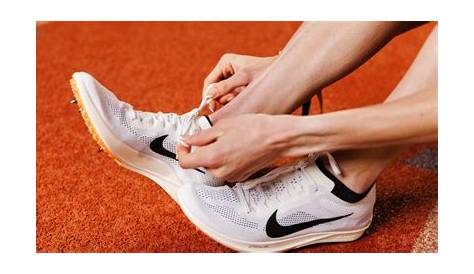
Nike’s STP analysis—Segmenting, Targeting, and Positioning—is key to how the company connects with different customers and stands out in a crowded market. Nike segments its customers by demographics, psychographics, and behavior to serve groups like serious athletes, casual exercisers, and fashion-conscious consumers. It targets markets based on profitability, brand fit, and accessibility, focusing mainly on athletes while also appealing to lifestyle buyers. Nike positions itself as a brand of inspiration and empowerment, using emotional storytelling and innovation to differentiate from competitors. Understanding Nike’s STP approach offers a clear example of strategic marketing in action.
What exactly is STP analysis and why does it matter for Nike?
STP stands for Segmentation, Targeting, and Positioning, a marketing framework that breaks a broad market into smaller groups, chooses which groups to focus on, and creates a unique brand place in customers’ minds. For Nike, which sells everything from performance gear to casual wear, STP prevents a generic approach that could weaken its impact. Instead, it identifies different customer needs, shapes products and messages accordingly, and stands out from competitors. Without STP, Nike’s marketing would lack focus and fail to connect with its varied global audience.
How does Nike segment its market—what groups do they actually focus on?
Nike segments realistically using demographics, psychographics, and customer behavior. Demographically, it considers age groups like teens, young adults, and middle-aged consumers, as well as gender and income levels, since its product range covers affordable to premium options. Psychographically, Nike separates serious athletes focused on performance from casual buyers who value style and comfort. Behaviorally, it looks at activity levels, brand loyalty, and even sustainability interests. For example, Nike’s running shoes target dedicated runners, while lifestyle sneakers appeal to urban youth focused on fashion. This helps Nike tailor products and marketing so different groups feel understood and valued.
Which specific target markets does Nike prioritize and how do they pick them?
Nike selects target markets based on profitability, accessibility, and alignment with its brand identity. Its primary targets are active athletes and sports enthusiasts who demand high-performance products and connect emotionally to sports culture—this group fits Nike’s core brand and offers strong profit potential. Secondary targets include casual wearers who want stylish, comfortable apparel with Nike’s brand appeal. Nike also targets youth and emerging markets with growth potential. This focus ensures Nike invests where it can effectively reach customers likely to become loyal buyers, rather than trying to appeal to everyone.
How does Nike position its brand and products to stand out in a crowded market?
Nike’s positioning centers on inspiration and empowerment, captured in the iconic slogan "Just Do It." It presents itself as more than a sportswear company—Nike is about breaking limits and personal achievement. This emotional connection distinguishes Nike from competitors who may focus only on price or product features. Nike’s products are positioned as innovative, high-quality, and stylish, often linked with famous athletes to boost credibility and aspiration. Their messaging highlights determination and self-belief, resonating across ages and cultures to make Nike instantly recognizable and engaging.
Can you show real marketing campaigns that reflect Nike’s STP strategy?
Nike’s "Just Do It" campaign perfectly illustrates its STP strategy. It speaks to serious athletes and everyday people seeking motivation, showing how Nike targets both performance and lifestyle segments. Collaborations with athletes like Serena Williams and LeBron James sharpen this targeting by connecting with their fan bases. Campaigns tailor messages for different groups—for example, emphasizing innovation in running shoe ads aimed at runners, while focusing on style and culture in sneaker releases for urban youth. These examples show how segmentation, targeting, and positioning combine to create focused, authentic marketing.

What mistakes do people often make when describing Nike’s STP?
A common misunderstanding is thinking Nike only targets athletes or hardcore sports fans. While athletes are central, Nike also targets fashion-conscious consumers, casual exercisers, and people who see Nike as a lifestyle brand. Another error is assuming Nike’s positioning is solely about performance; it also embraces culture, inspiration, and social issues to connect emotionally. Overlooking these points misses how Nike balances multiple segments and motivations. Simplifying Nike’s strategy to just “sports gear for athletes” ignores the layered approach that drives its success across markets and demographics.
How has Nike’s STP strategy evolved over time?
Nike’s STP approach has changed with consumer trends and market shifts. Originally, Nike focused mainly on serious athletes and performance products, which built its reputation. Over time, it expanded segmentation to include casual wearers and lifestyle markets, reflecting athleisure and streetwear’s rise. Targeting grew to emphasize women and younger consumers, recognizing their importance. Positioning broadened beyond performance into social responsibility and inclusivity, responding to cultural changes. This evolution shows Nike’s ability to adapt its STP strategy to stay relevant and grow in new directions.
What role does digital and social media play in Nike’s STP approach today?
Digital and social media are key to Nike’s STP strategy because they enable precise audience segmentation and quick adjustments to positioning. Nike uses data from online platforms to understand customer behavior and preferences, then delivers personalized content and product suggestions. Influencers and athlete endorsements help Nike reach specific communities and lifestyle segments. Digital campaigns often encourage interaction, making the brand feel more personal and relevant. This approach lets Nike test messages, refine targeting, and strengthen positioning in real time, reaching different groups with tailored stories at the right moment.
How can understanding Nike’s STP help me with my own marketing projects?
Nike’s STP strategy shows the importance of focusing your marketing instead of trying to reach everyone. Start by segmenting your market based on real differences in needs and behavior. Choose targets not just by size but by how well they fit your brand and how reachable they are. Then position your brand to connect emotionally and practically with those customers. Nike also teaches the value of evolving your approach as markets change and using digital tools to sharpen your focus. You don’t need Nike’s budget—just the discipline to be specific, test ideas, and adapt. This makes your marketing more relevant and effective, no matter your size or budget.
Where can I find more detailed resources or case studies on Nike’s marketing strategy?
For more detail, marketing textbooks like "Strategic Marketing" by David Cravens or "Marketing Management" by Philip Kotler often include Nike as a case study. Business school case collections such as Harvard Business Review sometimes publish in-depth Nike analyses. Websites like Marketing Week and Ad Age provide current coverage of Nike’s campaigns and strategy. Biographies of Phil Knight, Nike’s co-founder, offer insight into early strategy. Academic databases like JSTOR or Google Scholar also have research papers on Nike’s STP and branding tactics.
Conclusion
Start by identifying market segments based on real customer differences, then focus on targets that fit your brand and offer growth potential. Avoid trying to please everyone or treating your market as uniform. Position your products to connect emotionally and functionally with your chosen audiences, much like Nike blends inspiration with innovation. Keep testing and adapting, especially using digital channels to fine-tune your approach. Following these steps will make your marketing more focused and effective, echoing the core lessons behind Nike’s lasting success.
Frequently Asked Questions
What is the main market segment Nike focuses on?
Nike primarily targets active athletes and sports enthusiasts who value performance and innovation, but it also includes casual consumers interested in lifestyle and fashion, making their segmentation broader than just athletes.
How does Nike decide which target markets to prioritize?
Nike prioritizes markets based on profitability, brand alignment, and accessibility. They focus on groups that match their brand values and where they can effectively reach and engage customers.
Why is positioning important in Nike’s marketing strategy?
Positioning helps Nike stand out by connecting emotionally with customers through themes of inspiration and empowerment, beyond just product features. This emotional bond builds brand loyalty and memorability.
Can small brands apply Nike’s STP strategy?
Yes. Small brands can segment their markets carefully, choose clear targets, and position their products to meet specific needs. Clear focus and understanding your audience matter more than scale or budget.
How does Nike use digital media in its STP approach?
Nike uses digital and social media to segment audiences precisely, personalize messages, and engage customers interactively. This lets them adjust targeting and positioning quickly and connect with niche groups effectively.