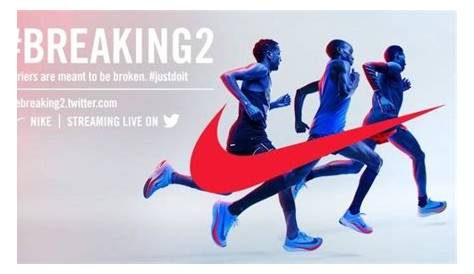
Nike’s marketing campaigns are a perfect example for any marketing student wanting to learn how to build powerful, lasting connections with an audience. What sets Nike apart isn’t just celebrity endorsements or eye-catching visuals—it’s their ability to communicate a clear, motivating message that inspires action and self-belief. Nike doesn’t simply sell products; they sell ideas about resilience, determination, and personal greatness. Understanding how Nike crafts this emotional connection gives you a valuable framework to analyze their work and apply similar strategies in your own projects.
What makes Nike’s marketing campaigns stand out?
Nike’s campaigns shine because they prioritize emotional connection over product details. Instead of focusing solely on technology or style, Nike tells stories about universal experiences like overcoming doubt and pushing personal limits. This approach builds a strong bond, making the brand feel like a partner in the audience’s journey. Consistency in brand values—such as determination, inclusivity, and empowerment—is another key factor. These values aren’t just slogans but are woven into the characters, stories, and visuals Nike chooses. This strategy gives Nike an authentic presence that competitors who focus narrowly on product specs or trends often lack.
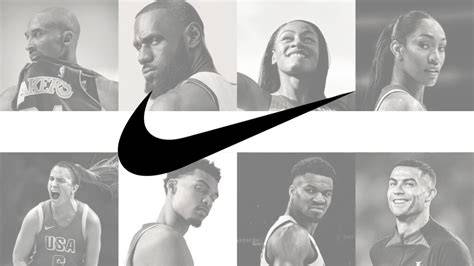
What is the core message Nike tries to communicate?
At the heart of Nike’s messaging is the belief that greatness is within everyone’s reach, regardless of background, ability, or current situation. This idea aligns with the famous ‘Just Do It’ slogan, which encourages people to take action and believe in themselves. Nike’s campaigns rarely focus on selling shoes directly; instead, they promote a mindset of pushing beyond limits. For instance, ‘Find Your Greatness’ highlights personal achievements rather than competition with others, making the message relatable and motivating. The emphasis is less on natural athletic talent and more on perseverance and courage, inviting everyone to see themselves as capable of ‘doing it.’ This clear, positive message gives Nike campaigns broad emotional appeal.
How does Nike use storytelling to engage viewers?
Nike’s storytelling centers on real struggles and triumphs, often showing athletes’ moments of vulnerability, failure, and comeback. These stories go beyond winning medals to reveal the human side of sports—hard work, injury, doubt, and resilience. By featuring diverse athletes from different backgrounds and abilities, Nike creates narratives that many people can relate to. This emotional connection helps viewers feel seen and inspired. Their storytelling builds tension and payoff by showing preparation and setbacks before breakthroughs, which keeps audiences engaged. Nike’s ads feel personal and authentic, inviting viewers to imagine their own path to greatness rather than just selling a product.
Which platforms and channels does Nike prioritize and why?
Nike uses a combination of digital platforms, social media, traditional media, and experiential marketing to reach its audience effectively. Digital channels like YouTube and Instagram are perfect for sharing compelling videos and engaging younger audiences who primarily consume content online. Social media enables direct interaction and organic sharing, helping campaigns spread naturally. Traditional media such as TV, print, and outdoor ads maintain broad awareness and brand prestige. Experiential marketing—pop-up events or interactive installations—creates memorable, hands-on experiences that deepen emotional connections. Nike integrates these channels carefully, maintaining consistent messaging and visuals so that whether someone sees a TV spot, social post, or event, the story and values feel unified and reinforce each other.
Can you share some iconic Nike campaigns and what worked about them?
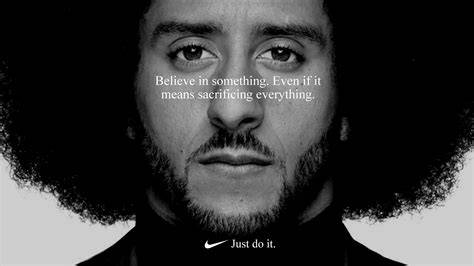
Two standout campaigns are ‘Dream Crazy’ and ‘Find Your Greatness.’ ‘Dream Crazy,’ featuring Colin Kaepernick, was effective because it took a bold social stance aligned with Nike’s values of courage and standing up for beliefs. It sparked conversation and connected with audiences who value authenticity and activism. The choice of a controversial figure wasn’t just for shock; it reinforced Nike’s message about pursuing dreams despite obstacles. ‘Find Your Greatness’ succeeded by focusing on everyday athletes and encouraging personal achievement instead of elite performance, making it inclusive and motivating. Both campaigns used strong storytelling, clear brand values, and emotional appeal, showing that Nike’s strength lies in strategic alignment with their audience’s aspirations, not just marketing muscle.
How does Nike tailor campaigns for different markets or cultural trends?
Nike adapts campaigns by respecting local cultures and trends while keeping its core message consistent. This means featuring local athletes and stories relevant to specific communities, making campaigns feel authentic rather than imposed. For example, in soccer-focused markets, Nike highlights that sport and its heroes; in others, basketball or running might be emphasized. Nike adjusts visuals, language, and product focus to suit regional tastes without losing the ‘Just Do It’ spirit. The company also monitors cultural shifts and social issues to stay relevant and resonate with what matters most to each audience. This balance between global identity and local relevance helps Nike maintain appeal worldwide.
What are common misconceptions about Nike’s marketing strategies?
A common misconception is that Nike’s success depends mainly on celebrity endorsements. While big names help, Nike uses celebrities as part of broader stories that emphasize values and emotional connection. Another mistake is thinking Nike’s marketing is all about product hype; in reality, Nike focuses on inspiring a mindset and identity, often downplaying the product itself. Some analyses also overlook how Nike integrates multiple channels and customizes campaigns for local markets. Nike doesn’t just run one global ad; it manages a complex, adaptive strategy balancing consistency with flexibility. Missing these points leads to oversimplified conclusions about why Nike’s marketing works.
How does Nike measure the success of a campaign?
Nike looks beyond sales to measure campaign success. They track brand engagement through social media interactions, video views, and sentiment analysis to gauge emotional impact. Surveys and market research help understand shifts in brand perception and loyalty. Nike also measures how widely a campaign spreads by monitoring organic sharing and earned media. Additionally, they consider long-term effects, like increased sports participation or cultural conversations sparked by the campaign’s themes. This multi-faceted approach lets Nike evaluate both immediate results and lasting brand health.
What lessons can marketers learn from Nike’s approach?
Nike teaches marketers to focus on a clear, motivating message that aligns with brand values and connects to audience aspirations. Emotional storytelling that feels human, not just feature-driven, is vital. Consistency across all channels and markets strengthens brand identity. Marketers can also learn from Nike’s willingness to take risks by addressing social issues and showcasing diverse stories, which builds authenticity. Finally, thoughtfully integrating multiple platforms and measuring success through engagement and perception—not just sales—helps create meaningful, lasting campaigns.
How can I apply Nike’s marketing principles to smaller brands or projects?
Even with limited budgets, you can apply Nike’s principles by focusing on clear messaging and authentic storytelling. Big celebrities aren’t necessary—real stories from your customers or community can create strong emotional connections. Keep your brand values front and center and ensure every piece of content reflects them consistently. Use affordable digital platforms like social media and video to share your stories widely. Tailor your message to your audience’s specific needs and culture, even if that means creating different versions for different groups. Track engagement with your campaigns and use that feedback to improve—this learning process is key to growth at any scale.
Conclusion
Start by defining a core message your brand truly believes in and find stories that bring it to life. Don’t think you need huge budgets or famous faces to build connection—emotional resonance and consistent values create loyalty. Focus on how your audience feels and interacts with your campaigns, not just immediate sales. A good campaign makes your message stick, inspires your audience, and builds a lasting brand identity. Nike’s marketing succeeds because it tells honest stories and fosters meaningful engagement—lessons you can adapt to your own goals.
Frequently Asked Questions
Why is Nike's 'Just Do It' campaign so effective?
Because it delivers a simple, clear message about taking action and believing in yourself, which many people relate to. It goes beyond sports to speak about overcoming challenges, making it relevant to a wide audience.
Does Nike rely only on celebrity endorsements?
No. While celebrities play a role, Nike uses them within larger stories that highlight perseverance and brand values. The emotional connection and message are what really drive their success.
How does Nike make sure its campaigns work globally?
Nike adapts campaigns to local cultures by featuring relevant sports, athletes, and themes, while keeping its core message consistent. This approach helps the brand stay authentic and relevant worldwide.
What role does storytelling play in Nike’s marketing?
Storytelling creates emotional connections by showing real struggles and victories, making the brand’s message memorable and inspiring. It helps people see themselves in the story rather than just being sold a product.
Can smaller brands use Nike’s marketing strategies?
Yes. By focusing on clear brand values, authentic stories, consistent messaging, and using affordable digital platforms, smaller brands can create meaningful campaigns without big budgets.