If you’re running Meta ads and notice your results slipping—like rising costs and fewer clicks—it’s likely your creatives are getting tired. Creative fatigue happens when the same ads show up too often to the same people, making them less effective. How often should you rotate creatives? It depends on your audience size, ad format, budget, and goals, but a good starting point is refreshing your ads every 1 to 3 weeks to keep performance steady. Let’s go over how to spot fatigue, why it happens quickly on Meta, and how to build a rotation plan that fits your business without wasting resources.
How do I know if my Meta ads are suffering from creative fatigue?
Creative fatigue usually appears as a gradual drop in your ad performance. You might see your cost per thousand impressions (CPM) rising while your click-through rate (CTR) falls. For example, if your ad’s CTR drops from 2% to 1% over a couple of weeks, that’s a sign your audience is tuning out. Frequency—the average number of times each person sees your ad—is also key. When frequency hits 3 or 4, fatigue often kicks in, especially if your audience is small. Imagine targeting a local group of 10,000 people with a single image ad; if the same people see it 5 or 6 times, they’re likely to ignore it, hurting your results. Watching these metrics together helps you catch fatigue before it drains your campaign’s success.

Why does creative fatigue happen so quickly on Meta platforms?
Meta’s ad system shows your ads mostly to people it thinks will respond, which means a small group often sees your ads repeatedly. This repeated exposure speeds up fatigue because you’re not reaching many new eyes. Also, Meta’s auction rewards ads that perform well initially, so the same creatives get more exposure until they lose effectiveness. When people see the same message too often, they stop engaging, which lowers your ad’s relevance score and drives up costs while shrinking reach. This cycle means you can’t just set your ads and forget them—keeping creatives fresh is crucial to staying competitive on Meta.
Is there a one-size-fits-all rule for how often to rotate creatives?
There’s no single answer because how often you should rotate depends on several factors. Audience size matters: smaller groups need faster rotations since they see your ads more often. Bigger audiences let you stretch creatives longer. Your budget shapes the pace too—higher spending means your ads get shown more quickly and need refreshes sooner. Campaign goals also play a role; conversion campaigns usually require more frequent updates to keep performance high, while awareness campaigns can run creatives longer. Many advertisers refresh every 1 to 3 weeks, but the best approach is to watch your metrics and adjust based on what you see.
How do different ad formats affect how often I should rotate creatives?
The type of ad you run affects how long a creative stays effective. Single image ads often tire out faster since they’re simple and can feel repetitive, so changing them every 1 to 2 weeks works well. Video ads usually hold attention longer, so you can run them 2 to 3 weeks or more if the content stays interesting. Carousel ads, which show multiple images or videos, offer built-in variety and can last longer before needing a refresh. Stories ads are full-screen and temporary, making them feel fresh but also prone to quick saturation—rotating them weekly or every two weeks keeps performance steady. Matching your rotation schedule to the ad format helps balance freshness and production effort.
What metrics should I track to decide when it’s time to refresh creatives?
Keep an eye on several metrics together to catch fatigue early. Click-through rate (CTR) shows how well your ads engage people; a drop means interest is fading. Frequency tells you how many times each person sees your ad—higher frequency usually leads to fatigue. If your CPM rises but conversions don’t, that means your ads are costing more without delivering results. Declines in return on ad spend (ROAS) or conversion rates confirm your creative isn’t driving actions anymore. Look at these trends over time rather than daily changes to decide when it’s time for a refresh.
How can I avoid rotating creatives too often or too rarely?
Changing creatives too often wastes time and budget on new assets and doesn’t give your ads enough time to learn and perform. Switching too rarely lets your audience get bored, causing performance to drop. To find the right balance, monitor your key metrics and set a minimum run time—usually about one week—before making changes. Avoid swapping creatives every day or every few days because Meta’s learning phase needs time to collect data. At the same time, don’t wait until performance falls apart to refresh. Scheduling rotations based on performance trends, not just crashes, protects your creative resources while keeping ads fresh enough to work well.
What are some smart ways to plan a creative rotation schedule?
Planning your creative rotations ahead makes managing ads easier. One good method is batch testing: create several creatives at once and rotate them systematically to find the best performers. Launch new creatives gradually instead of all at once to avoid overwhelming your audience. Keep a library of approved images, videos, and copy snippets so you can swap elements quickly without starting from scratch. Set rotation dates based on how quickly your campaigns usually fatigue, and watch your metrics to fine-tune the schedule. Staying consistent but flexible prevents gaps and keeps your ads engaging without overloading your design team or budget.
How do budget and campaign objectives influence creative rotation frequency?
Your budget affects how fast your audience sees your ads. If you spend a lot daily, impressions pile up quickly, and creatives can get tired within a week or less, so you’ll need to refresh more often. Smaller budgets deliver impressions more slowly, letting creatives run longer before fatigue hits. Your campaign goals matter too: conversion or sales campaigns usually need fresher creatives to keep response rates high. Awareness or reach campaigns, which focus on broad exposure rather than immediate action, can run creatives longer. Matching your rotation frequency to your budget and goals helps keep ads effective without wasting creative effort.
Can I use automation or tools to help manage creative rotation?
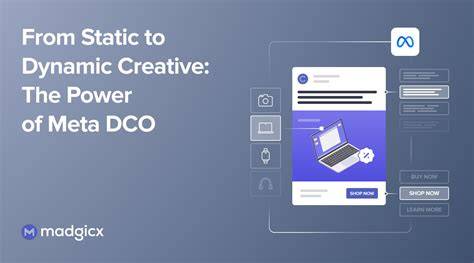
Yes. Meta provides tools like Dynamic Creative, which automatically tests different combinations of images, videos, headlines, and descriptions to find what works best without needing manual rotation. Automated Rules in Ads Manager can alert you or pause ads when performance drops, signaling it’s time to refresh creatives. Third-party platforms also offer advanced features for creative testing and scheduling rotations, making it easier to manage multiple campaigns or big budgets. Using automation cuts down on manual work and helps you keep your rotations timely and data-driven.
What should my next steps be to start rotating creatives effectively?
Start by reviewing your current ads—look at CTR, frequency, CPM, and ROAS to spot signs of fatigue. Set a rotation plan based on your audience size and budget, aiming to refresh creatives every 1 to 3 weeks as a guideline. Build or gather a small collection of creative assets ready to go so you don’t scramble at the last minute. Use Meta’s tools like Dynamic Creative and Automated Rules to help with testing and monitoring. Keep tracking your metrics regularly and adjust your rotation timing as needed, balancing freshness with giving ads enough time to optimize. These steps will help your Meta ads perform well without overworking your creative resources.
Conclusion
Keep a close eye on your ad metrics—especially CTR, frequency, and CPM—to catch creative fatigue early. Don’t rush to swap creatives every day, but don’t let them run stale either. Aim to refresh every couple of weeks, adjusting for your audience size, budget, and ad format. Maintain a manageable creative library and use Meta’s automation tools to help with testing and alerts. With a thoughtful rotation plan, your ads will stay engaging and steady, avoiding the common pitfall of fatigue without wasting time or money.
Frequently Asked Questions
How quickly does creative fatigue usually set in on Meta ads?
Creative fatigue typically appears within 1 to 3 weeks, depending on your audience size and budget. Smaller audiences or higher spend campaigns experience fatigue faster because the same people see your ads repeatedly.
Can I rotate creatives more frequently if I have a large budget?
Yes. Larger budgets deliver impressions faster, so your creatives wear out quicker and need refreshing more often—sometimes weekly—to keep performance up.
Are video ads less prone to fatigue than image ads?
Generally, yes. Video ads tend to hold attention longer and feel fresher, so they can usually run for 2 to 3 weeks or more before needing a refresh, while image ads often need changing every 1 to 2 weeks.
What’s the risk of rotating creatives too often?
Rotating too frequently wastes money and creative resources because ads don’t have enough time to gather data and optimize. It can also disrupt Meta’s learning phase, which hurts performance.
Can Meta’s automation tools replace manual creative rotation?
Automation tools like Dynamic Creative and Automated Rules help manage rotation by testing combinations and alerting you to performance drops, but they don’t eliminate the need for strategic creative refreshes and planning.