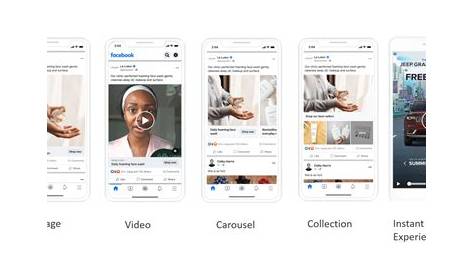
Choosing the right Meta Ads format is crucial for your campaign’s success. Meta offers several ad formats—such as image, video, carousel, collection, and more—each designed for different goals and audience behaviors. Matching your business objectives with the right format helps you get clear messaging, better engagement, and results without wasting your budget or confusing your audience.
What are the different Meta Ads formats I can use?
Meta offers a variety of ad formats to help you present your message in ways that fit your goals and audience. Single image ads show one clear picture with a short message, perfect for simple promotions. Video ads use motion and sound to tell a story or explain a product, which helps boost engagement. Carousel ads let users swipe through multiple images or videos, great for showcasing several products or features. Collection ads combine images and videos that open into a full-screen shopping experience, ideal for e-commerce brands. Instant Experience ads are full-screen, interactive ads that load quickly and invite users to explore your content in depth. Slideshow ads create lightweight video-like ads from a series of photos, useful when video production isn’t an option. Dynamic ads automatically promote products to people who’ve shown interest, personalizing content to increase conversion chances. Each format offers different ways to attract attention and encourage specific actions from your audience.
How do I decide which Meta ad format fits my business goal?
Start by clearly defining your business goal—whether it’s awareness, engagement, conversions, or retargeting. For brand awareness, simple formats like single image or short video ads work well because they deliver straightforward messages quickly. If you want people to interact with your content, video and carousel ads encourage more engagement with richer storytelling and multiple options to explore. When your goal is sales or conversions, collection ads and dynamic ads are effective because they highlight products and make shopping easy. For retargeting, formats that remind people of products they’ve viewed—like dynamic or carousel ads—work best to nudge them toward buying. Avoid choosing formats just because they look flashy; pick the one that fits the action you want your audience to take. Also, consider how much time and creative resources you can invest, since some formats require more effort than others.
What makes carousel ads different and when should I pick them?
Carousel ads stand out because they let you display multiple images or videos in a single ad that users can swipe through. This interactive feature is perfect if you want to show a variety of products, highlight different features of one product, or tell a step-by-step story. For instance, a boutique can showcase several new arrivals in one ad, or a brand can demonstrate how to use a product across multiple cards. Carousel ads often increase engagement by inviting users to explore, but too many cards or a scattered message can overwhelm viewers. Use carousel ads when you have several related items to promote or a story that benefits from multiple visuals, and keep the content focused and easy to follow.

Why choose video ads and what should I keep in mind?
Video ads grab attention by combining visuals, sound, and motion, making them great for storytelling, explaining products, or sharing customer stories. On Meta platforms, short videos—usually under 15 seconds—perform best because they fit users’ fast-scrolling habits. Your video style should feel authentic and fit your brand; casual often works better than overly polished. Put your key message and branding early since viewers might scroll past quickly, and include captions because many watch without sound. Video ads take more time and resources to produce, so focus on clear messaging and test different lengths or styles to see what connects with your audience.
Are collection ads worth it for e-commerce and how do they work?
Collection ads are especially useful for e-commerce because they offer a smooth, mobile-friendly shopping experience right in the ad. They show a cover image or video with several product images below, and tapping the ad opens an Instant Experience—a mini storefront inside Meta. This format helps users discover multiple products without leaving the app, making it easier to browse and buy on smaller screens. If you want to showcase a product line or seasonal collection with a clear path to purchase, collection ads boost engagement and sales. However, they need good product photos and a well-organized Instant Experience to avoid confusing or overwhelming customers.
When should I use single image ads versus other formats?
Single image ads are the simplest and quickest to create. They work well when you have one clear message or a standout product to highlight, like a special offer or event. Their strength is delivering a straightforward message that users can understand at a glance. Avoid trying to include too much information or using low-quality images, as that reduces impact. If you want to show multiple products or tell a more detailed story, carousel or video ads are better choices. For simple announcements or reminders, single image ads remain reliable and effective.
How do Instant Experience ads enhance user interaction?
Instant Experience ads open full-screen when someone taps on them, offering an immersive, interactive space that combines video, images, carousels, text, and buttons. They keep users engaged longer than standard ads by providing a richer experience without leaving Meta apps. Use Instant Experience ads to tell deeper brand stories, showcase product lines, or guide users through a purchase process. They load quickly to reduce drop-offs. However, they require more creative effort and may not be the best fit if your campaign focuses on quick conversions or broad awareness. When done well, they create memorable impressions and detailed engagement.
What formats work best for retargeting campaigns?
Retargeting ads should gently remind people about products or services they’ve already shown interest in. Dynamic ads are particularly effective because they automatically show the exact products users viewed, personalized to their preferences. Carousel ads also work well by displaying several related products, encouraging users to explore choices before buying. Video can be useful if you have engaging content that addresses common questions or highlights benefits. Avoid formats that require too much effort from the user or tell broad stories, as retargeting audiences usually respond better to clear, relevant reminders. The key is showing familiar products to increase the chances of conversion.
What common pitfalls should I avoid when choosing ad formats?
A common mistake is choosing an ad format based on how it looks rather than whether it fits your goal or audience. For example, a complex carousel ad can confuse people if you’re just announcing a simple offer. Another mistake is ignoring mobile users—since most Meta users are on mobile devices, your ads must look good on small screens. Overloading ads with too much information or too many calls to action dilutes your message and tires viewers. Some advertisers skip testing different formats and stick to one, missing opportunities to find what works best. Also, not matching your creative style or video length to typical platform habits can lower engagement. Always keep your goals, audience behavior, and device in mind when picking formats.
How can I test and optimize different Meta ad formats effectively?
Testing means running A/B tests where you show similar ads with different formats to comparable audiences and compare results. Don’t just look at clicks; track engagement, conversions, or other metrics that matter to your goal. Keep your message and creative consistent when swapping formats to see which format drives better results. Pay attention to how different audience segments respond—new visitors might prefer videos, while retargeted users convert better with carousel ads. Use the data to pause formats that underperform and invest more in those that work. Refresh your creatives regularly to avoid ad fatigue, which can affect any format. Optimization is ongoing, so start small, learn what clicks, then scale up.
Conclusion
Begin by clearly defining your main goal—whether it’s awareness, engagement, or sales—and pick the Meta ad format that best supports that goal. Don’t overcomplicate things or choose formats just because they seem trendy; simple, clear messaging usually wins. Focus on mobile-friendly formats since most users are on mobile devices. Test different formats while keeping other variables steady to see how your audience reacts. A good campaign shows steady improvements in key metrics, not random spikes. Resist the urge to use every format at once. Instead, build your campaigns around one or two formats that fit your business and audience, then refine from there.
Frequently Asked Questions
What is the best Meta ad format for brand awareness?
Single image ads and short video ads usually work best for brand awareness because they deliver simple, clear messages that stick quickly without overwhelming viewers.
Can carousel ads increase sales for small businesses?
Yes. Carousel ads help increase sales by showing multiple products or features in one ad, letting users explore options before deciding. They’re especially useful if you have a variety of products or want to tell a story in steps.
Are video ads always better than image ads?
Not always. Video ads are great for storytelling and engagement but take more effort to produce and aren’t ideal for every message or audience. Sometimes a well-made image ad is more effective, especially for simple offers.
When should I use collection ads for my online store?
Use collection ads to create a mobile-friendly shopping experience that lets users browse multiple products within the ad. They work well for product discovery and boosting sales when you have a variety of items to showcase.
How do I avoid common mistakes in choosing ad formats?
Don’t pick formats just because they look good—match them to your goals and audience. Avoid cluttering ads with too much info or ignoring mobile viewing. Most importantly, test different formats to find what really works instead of assuming one size fits all.