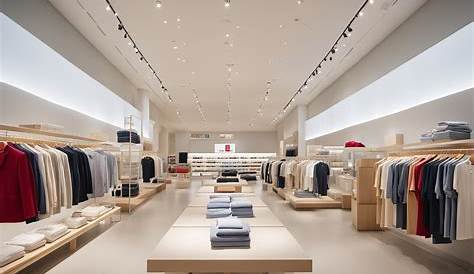
Uniqlo’s marketing strategy is key to understanding how it became a global retail success. It focuses on simplicity, quality, and innovation rather than flashy advertising or chasing fast fashion trends. By promoting timeless basics that combine function and style, Uniqlo appeals to a wide range of customers worldwide, building a loyal following and steady growth. This article breaks down how Uniqlo’s marketing principles, product innovation, global-local balance, digital efforts, and experiential tactics all work together to set the brand apart.
What is unique about Uniqlo’s marketing strategy?
Uniqlo’s marketing stands out by emphasizing clear, simple messaging around product quality and innovation without unnecessary flair. Unlike brands that rely on seasonal trends or flashy campaigns, Uniqlo focuses on delivering functional, well-designed basics that suit many customers. Its communication avoids overwhelming shoppers with too many options or complicated brand stories, instead presenting its products as dependable essentials. A major part of this strategy is highlighting proprietary fabric technologies, such as HeatTech and AIRism, which form the heart of its marketing narrative. This straightforward, product-centered storytelling creates a recognizable identity that customers trust and sets Uniqlo apart in a crowded market.
How does Uniqlo position its brand in the global market?
Uniqlo positions itself as a brand offering affordable, high-quality basics that are functional and timeless, steering clear of fleeting fast fashion fads. The concept of “LifeWear” captures its mission: clothing designed to improve daily life through simplicity and thoughtful design. This approach appeals globally because people everywhere want clothes that fit well, feel comfortable, and last. Rather than being flashy or exclusive, Uniqlo aims to be accessible and reliable, broadening its appeal across different markets and demographics. This positioning helps the brand resonate with customers who value versatility and durability over rapidly changing styles.
Why does Uniqlo focus heavily on product innovation in marketing?
Product innovation gives Uniqlo a clear edge in marketing by providing tangible reasons for customers to choose its clothing. Technologies like HeatTech, which keeps wearers warm without bulk, and AIRism, which offers breathability and moisture management, are more than features—they’re stories that show how Uniqlo improves everyday comfort. Centering campaigns on these innovations makes the marketing about function and value, not just looks. This focus helps build a perception of Uniqlo as forward-thinking and quality-driven, which supports pricing that might be higher than some fast fashion competitors. In short, product innovation is the backbone of Uniqlo’s marketing appeal.

How does Uniqlo balance global consistency with local market adaptation?
Uniqlo keeps its core brand message—simplicity, quality, and innovation—consistent worldwide while tailoring marketing to local cultures and preferences. This balance matters because what connects with customers varies by region. For example, in Japan, ads might focus on subtle design and fabric technology, while in the US or Europe, they highlight versatility and everyday style. The product mix also adapts, reflecting local climates or cultural norms. This strategy ensures that wherever customers shop, they recognize Uniqlo’s identity but also feel the brand speaks to their specific needs and tastes.
What role does digital marketing play in Uniqlo’s strategy?
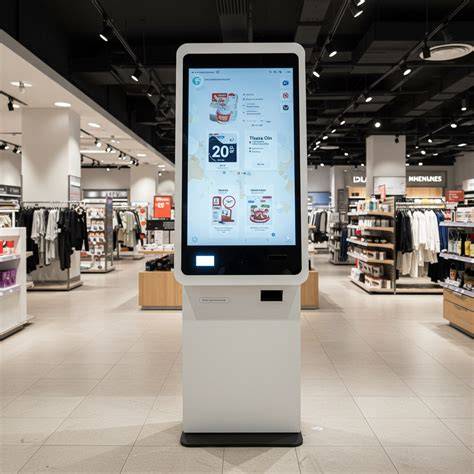
Digital marketing is central to how Uniqlo connects with customers and personalizes their experience. Its e-commerce sites are clean and easy to navigate, reflecting the brand’s emphasis on simplicity. Social media goes beyond product promotion to share stories about innovations and lifestyle, creating deeper engagement. Uniqlo’s apps offer personalized recommendations and simplify shopping, helping customers find products that fit their needs. By linking digital tools with physical stores, Uniqlo creates a smooth shopping experience that encourages loyalty and convenience.
How does Uniqlo use experiential marketing to build loyalty?
Uniqlo uses experiential marketing through engaging in-store experiences, pop-up shops, and collaborations with designers and artists. Stores often let customers touch and feel fabric innovations like HeatTech and AIRism, making the shopping experience interactive. Limited-edition collaborations and pop-ups attract repeat visits and generate buzz beyond just selling clothes. These events help Uniqlo build community and stay culturally relevant, creating memorable experiences that deepen customer loyalty and distinguish the brand from competitors focused mainly on price or trends.
What lessons can be learned from Uniqlo’s approach to marketing basics?
Uniqlo shows the power of simple, clear messaging focused on real product benefits like quality, innovation, and functionality. Instead of overwhelming customers with many choices or flashy campaigns, it sticks to core strengths and communicates them consistently. Letting product innovation tell the story adds authenticity and value to the marketing. Also, Uniqlo proves that you don’t need to chase every trend to succeed; focusing on timeless basics that meet real needs can build a loyal customer base over time. This approach offers practical guidance for marketers aiming to connect deeply with customers without overcomplicating their message.
How is Uniqlo’s marketing different from typical fast fashion brands?
Uniqlo’s marketing contrasts with typical fast fashion by emphasizing quality, durability, and innovation over rapid trend turnover and heavy discounting. Fast fashion brands often push constant new styles to drive frequent purchases, sometimes sacrificing garment longevity. Their marketing creates urgency through sales and limited-time offers. Uniqlo promotes clothing built to last and perform beyond a single season, encouraging customers to invest in pieces that stay relevant. This approach builds trust and appeals to consumers who value thoughtful purchases and sustainability more than the latest fleeting trend.
What challenges does Uniqlo face in its marketing strategy?
Uniqlo faces challenges like staying relevant amid fast-changing consumer preferences and emerging competitors worldwide. It must balance offering innovative products with keeping prices affordable to maintain appeal. Focusing heavily on basics and simplicity risks seeming dull to customers seeking more fashion-forward options. Adapting marketing to diverse local markets without weakening the global brand also demands careful coordination. To meet these challenges, Uniqlo needs to keep innovating in product development and marketing while remaining true to its core values of simplicity, quality, and innovation.
How can marketers apply Uniqlo’s marketing strategies to their own brands?
Marketers can learn from Uniqlo by defining a clear, simple value proposition centered on what truly sets their product apart, whether quality, innovation, or function, and communicating it consistently. Avoid overwhelming customers with too many choices or complicated messages. Focus on product development to have authentic stories rather than relying just on hype. Balance a consistent brand identity with local adaptations to stay relevant in different markets. Use digital tools to engage customers personally and improve their shopping experience. Finally, create experiential opportunities like in-store events or collaborations to build community and loyalty. These principles help brands connect more deeply with customers without chasing every passing trend.
Conclusion
If you want to build a strong retail brand, start with simplicity and product quality like Uniqlo does. Make sure your marketing clearly shows the real benefits your products offer, avoiding flashy distractions. Invest in meaningful innovation and let that be the heart of your brand’s story. Keep your brand consistent globally but flexible enough to connect locally. Use digital channels to deepen customer engagement and consider experiential marketing to create lasting memories. Resist the urge to chase trends just for their own sake; instead, aim to be a reliable choice customers return to. Doing this well builds loyalty and relevance that grows steadily over time.
Frequently Asked Questions
What sets Uniqlo’s marketing strategy apart from other apparel brands?
Uniqlo focuses on simple, clear messaging that highlights quality and innovation rather than fast fashion trends. It emphasizes functional, timeless basics that appeal broadly without overwhelming customers.
How does Uniqlo use product innovation in its marketing?
Uniqlo promotes proprietary technologies like HeatTech and AIRism to show how its clothes improve everyday comfort. These innovations form the core stories in its marketing, making the brand stand out from competitors.
Does Uniqlo use the same marketing approach globally?
Uniqlo keeps its core message about simplicity and quality consistent worldwide but adapts campaigns and products to fit local cultures and climates. This helps the brand stay relevant while maintaining a unified identity.
How is Uniqlo’s marketing different from typical fast fashion brands?
Unlike fast fashion brands that focus on quick trend cycles and heavy discounting, Uniqlo emphasizes durability, quality, and timeless style, encouraging customers to invest in lasting clothing.
What can marketers learn from Uniqlo’s marketing strategy?
Marketers can learn the value of clear, simple messaging focused on genuine product benefits, the importance of innovation in storytelling, balancing global consistency with local relevance, and using digital and experiential marketing to engage customers deeply.