Psychological pricing is a way to set prices that connects with how customers think and feel about value, helping you sell more without just cutting prices. It’s about using pricing techniques that influence perception, making your products seem fair, special, or worth the price. For a small business, choosing the right psychological pricing method can attract more buyers, boost sales, and strengthen your brand’s image without lowering your profit margins.
What exactly is psychological pricing and why should I care?
Psychological pricing considers how customers perceive prices rather than just adding a markup to your costs. People often don’t react to prices logically; they respond to subtle cues like how a price looks or feels. For example, a price that’s a bit lower or a package deal can turn someone from just browsing into buying. This strategy helps you shape how customers see your products, making them more appealing without necessarily lowering prices. It’s about matching your pricing to the story you want your brand to tell, whether that’s affordable everyday items or exclusive high-end goods.
What’s charm pricing and why does $9.99 feel cheaper than $10?
Charm pricing uses prices that end with .99, .95, or similar numbers instead of rounding up. When you see $9.99 instead of $10, it feels cheaper because people focus on the first digit—so $9.99 seems closer to nine dollars than ten. This makes products look like a better deal, encouraging purchases, especially for everyday items or impulse buys. If your business competes mainly on price, charm pricing can work well. But for premium or luxury products, it can make your brand seem less exclusive or lower quality, so avoid it there.
How does prestige pricing make products feel more luxurious?
Prestige pricing is the opposite of charm pricing. It uses rounded, often higher prices like $100 instead of $99.99 to suggest quality and exclusivity. A clean, round number can make customers think a product is premium or carefully crafted. Luxury brands often use this to signal that their items are worth the higher price and to stand apart from cheaper options. This works only if your product and brand truly deliver on that promise. Otherwise, customers might see the price as too high and lose interest.
Why do some stores use bundle pricing and how does it trick your brain?
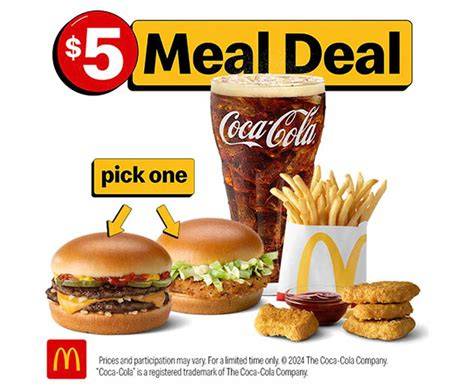
Bundle pricing offers several products or services together for one price, usually less than buying each item separately. Think of a fast-food meal deal or "buy one, get one" offers. Bundles make customers feel like they’re saving money and getting more value, which encourages them to buy more than they planned. It also simplifies the choice by showing a single attractive price. Bundling can boost sales and help move inventory faster. But if bundles are confusing or push customers to buy unwanted items, it can backfire and turn them away. The best bundles match what customers naturally want to buy and feel convenient.
What is anchoring and how can I use it to make my prices look better?
Anchoring happens when customers base their judgement on the first price they see. Showing a higher original price next to a sale price makes the lower price look like a better deal. For example, "Originally $150, now $99" makes $99 feel like a bargain because $150 sets a reference point. You can also use anchoring by presenting premium options alongside standard ones, making the middle option more appealing. Just be honest—if the original price or comparison isn’t believable, customers might lose trust instead of feeling motivated to buy.
Can psychological pricing backfire? What should I watch out for?
Yes, psychological pricing can backfire if not used carefully. Using too many tactics at once can confuse or frustrate customers, making them suspicious. Charm pricing on luxury items can cheapen your brand, and overusing discounts or anchors can train customers to wait for sales, hurting your profits. Misleading or inconsistent prices also damage trust and loyalty. The key is to align your pricing with your brand and what your customers expect. Pay attention to how customers react—if you see hesitation, complaints, or fewer repeat buyers, your pricing might be sending the wrong message.
How do cultural differences affect psychological pricing strategies?
Cultural differences change how people see prices and deals, so psychological pricing isn’t one-size-fits-all. For example, charm pricing with .99 endings works well in many Western countries but might seem strange or off-putting where rounded numbers signal quality or respect. Some cultures value fairness and transparency more, so heavy discounting might feel manipulative. Others have specific associations with certain numbers, like lucky or unlucky digits. If you sell internationally or to diverse groups, research local preferences and adapt your pricing. What seems like a good deal or luxury signal in one place might confuse or discourage customers in another.
What’s the best way to test which psychological pricing fits my products?
To find the right psychological pricing, try small tests and watch how customers respond. For example, use charm pricing on some products and prestige pricing on others for a limited time or with certain customer groups. Track sales, average order values, and feedback to see what works best. Online stores can use A/B testing tools to switch prices and compare results automatically. You can also ask customers directly what they think about your prices. Pricing isn’t fixed, so keep reviewing and adjusting to stay in tune with your market and customers.
How can I combine different psychological pricing types without overwhelming customers?
You can mix pricing types if you do it carefully. For example, use charm pricing for regular items, prestige pricing for premium products, and bundle pricing for special offers. The important part is to keep your pricing clear and consistent so customers aren’t confused. Group similar tactics to send a consistent message—like offering bundles that clearly save money alongside rounded prices on luxury items to highlight quality. Avoid cluttering your pricing with too many discounts or confusing anchors. Your goal is to help customers decide confidently, not to make them second-guess or feel pressured.
Where can I learn more and keep improving my pricing over time?
Pricing combines science and creativity, and it changes as your market and customers do. Keep an eye on your sales data and listen to customer feedback regularly. Books and online courses about pricing psychology and marketing offer deeper insight. Online forums and small business communities can be great places to exchange ideas and experiences. Most importantly, stay curious and test new pricing strategies in small steps. Over time, you’ll develop a sense of what fits your brand and audience, helping you set prices that feel right and encourage sales without guesswork.
Conclusion
Start by picking one psychological pricing method that fits your products and brand—for instance, charm pricing for everyday items or prestige pricing for upscale products. Avoid mixing too many tactics at once to keep your pricing clear and trustworthy. Then test how customers respond and watch your sales and feedback. Don’t rely only on discounts to drive sales. A good pricing strategy shows steady or growing sales with customers feeling good about the value they get. With some attention and adjustment, pricing will become a natural part of your brand’s appeal, not just a number on a tag.
Frequently Asked Questions
Does psychological pricing always mean setting lower prices?
No. Psychological pricing is about how customers perceive value, not just lowering prices. Sometimes higher or rounded prices can make products seem more valuable or luxurious.
Can I use charm pricing for all my products?
Charm pricing usually works best for everyday, lower-cost items where customers respond well to prices that look like a deal. It might not be suitable for premium products, where it can reduce the sense of quality.
Is anchoring ethical if I show a higher original price?
Anchoring is ethical as long as the original price is real and not misleading. Customers should trust the comparison; otherwise, it can harm your reputation.
How often should I revisit my pricing strategy?
Review your pricing regularly, especially after changes in costs, competition, or customer behavior. Testing new approaches every few months can help you stay aligned with your market.
Does cultural background really change how pricing works?
Yes, cultural differences affect how people interpret prices and deals. What works well in one country or community might need to be adjusted in another, so customize your approach when selling internationally.