
Tata Oil sets its prices by carefully balancing the costs of raw materials, market competition, brand value, and supply chain factors. Their pricing strategy is not just about matching competitors or simple cost-plus calculations but blends competitive and value-based pricing. This approach helps Tata Oil stay competitive in the edible oil market while protecting margins and responding to market changes effectively.
What is Tata Oil’s overall pricing strategy?
Tata Oil mainly uses a competitive pricing approach, setting prices close to or slightly above competitors depending on the product line. This helps them appeal to price-sensitive customers while using their brand reputation to justify premium pricing on select products. For premium or specialty oils, Tata Oil applies value-based pricing, recognizing that some customers are willing to pay more for quality and trust in the Tata brand. While costs form the base, prices are adjusted based on market conditions and consumer expectations. For example, during raw material shortages, they may raise prices more sharply, while in stable periods, they keep prices competitive to protect market share. This hybrid strategy balances profitability and sales volume effectively.
How do raw material costs influence Tata Oil’s prices?
Raw material costs are a key factor in Tata Oil’s pricing. Since edible oils depend on oilseeds like soybean, sunflower, and palm, fluctuations in these commodities directly affect production costs. When palm oil prices rise due to higher import duties or global supply issues, Tata Oil often passes some cost increases to customers but might absorb some to maintain market share. Domestic factors like weather and crop yields also cause raw material prices to vary, forcing Tata Oil to adjust prices accordingly. Government policies such as import tariffs or subsidies impact costs as well. Tata Oil monitors these closely and adapts prices based on the balance between cost pressures and competitive market conditions.
Why does Tata Oil sometimes price higher or lower than competitors?
Tata Oil’s pricing varies depending on strategy and market segment. They may price higher than competitors when launching new or premium products to signal quality and leverage brand trust. Higher prices reflect the added value perceived by customers through branding and packaging. In contrast, Tata Oil often prices lower in mass-market segments to attract budget-conscious buyers and gain volume, especially against local or unbranded oils. Temporary discounts or promotions help respond to competitor moves or inventory needs. This flexible pricing approach lets Tata Oil adapt to the competitive environment rather than sticking to a fixed formula.
How does Tata Oil use branding to justify its pricing?
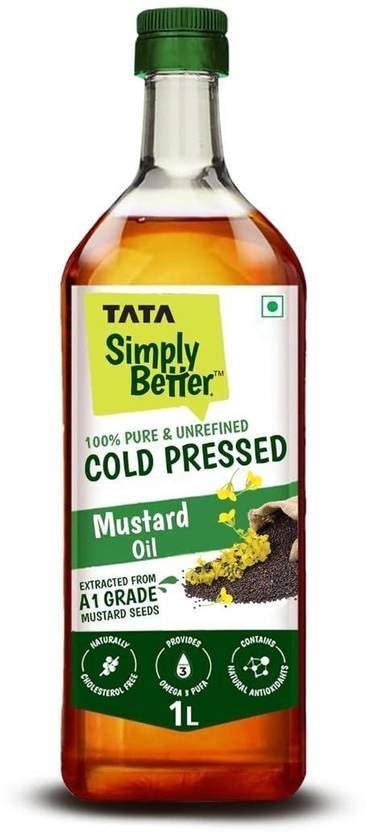
The Tata brand carries strong associations with quality and reliability, which supports Tata Oil’s pricing strategy. Customers trust the brand, allowing the company to charge more for certain products compared to unbranded or lesser-known oils. Packaging design and clear health or sourcing information further differentiate their products. For example, cold-pressed and organic oils command higher prices because the brand effectively communicates their quality and purity. This trust reduces price sensitivity among loyal customers, helping Tata Oil maintain margins even when raw material costs rise.
What role do supply chain and distribution costs play in pricing?
Supply chain and distribution costs significantly affect Tata Oil’s pricing. Edible oil is bulky and perishable, so efficient logistics and storage are essential to control costs and minimize waste. Tata Oil’s wide distribution network covers urban and rural markets, but costs vary by region. Delivering to remote areas or handling cold storage for premium oils adds to expenses, which influence the final price. Fuel price increases or logistical disruptions can lead to price adjustments. Packaging sizes are also designed to optimize transport efficiency and shelf life, indirectly affecting costs. By managing supply chain expenses carefully, Tata Oil can keep prices competitive while ensuring availability and quality.
How does Tata Oil respond to government regulations and taxes in pricing?
Government policies like GST changes, import tariffs, and subsidies directly impact Tata Oil’s pricing. When GST rates on edible oils change, Tata Oil adjusts retail prices to reflect the new tax burden. Import tariffs on raw materials like palm oil increase procurement costs, prompting price revisions. Conversely, subsidies or tariff reductions may allow Tata Oil to lower prices or maintain them despite rising global commodity prices. The company closely monitors these regulatory shifts to stay compliant and competitive. For instance, if new import duties are introduced on oilseeds, Tata Oil recalculates its costs and sets prices to balance passing costs to consumers without losing market share.
What pricing strategies does Tata Oil use during market volatility?
When raw material shortages or sudden demand spikes occur, Tata Oil uses flexible pricing. They may raise prices to manage limited supply and maintain margins but avoid sudden hikes that could deter customers. Offering smaller pack sizes at proportional prices keeps products accessible during such times. Tata Oil also runs short-term promotions or discounts to smooth out demand fluctuations or counter competitor actions. Strategic inventory management, like stockpiling when raw material prices are low, helps buffer against volatility. Overall, Tata Oil balances responsiveness with maintaining customer trust, avoiding erratic price changes while protecting profitability.
How does Tata Oil segment its products with different prices?
Tata Oil segments its product range to target different customer groups with tailored prices. Premium oils, such as cold-pressed or organic variants, carry higher prices aimed at health-conscious or affluent customers who value quality and brand assurance. Standard or mass-market oils are priced more competitively to attract budget-sensitive buyers and maximize volume. Packaging sizes also reflect segmentation—smaller packs often have a higher per-unit price but appeal to customers wanting affordability or to try a product. This segmentation allows Tata Oil to serve a broad market without weakening its overall brand.
What challenges does Tata Oil face in maintaining competitive pricing?
Tata Oil faces several challenges in keeping prices competitive. The edible oil market has many local and international brands, so Tata Oil must constantly watch competitors’ pricing moves. High price sensitivity among rural and low-income consumers limits how much prices can be raised without losing buyers. Raw material price volatility forces frequent price adjustments, which can confuse customers. Regulatory changes and supply chain disruptions squeeze margins further. Competitors’ aggressive discounting pressures Tata Oil to respond similarly. Balancing quality and brand reputation with affordable pricing is a constant challenge, especially as consumer preferences evolve and new competitors enter the market.
Conclusion
Tata Oil’s pricing strategy mixes competitive pricing with value-based elements, adjusting for raw material costs, supply chain expenses, and government policies. It’s not purely cost-plus or market-driven but a careful balance to maintain brand strength and market share. Branding and product segmentation let Tata Oil charge more for premium lines while staying competitive in mass-market segments. Flexibility during market volatility and regulatory changes helps preserve customer trust and profitability. For business students or analysts, Tata Oil’s approach shows the importance of combining cost control, market awareness, and brand value rather than relying on a single pricing formula.
Frequently Asked Questions
Does Tata Oil always price its products lower than competitors?
No. Tata Oil adjusts prices based on product segment and market conditions. They may price higher for premium oils to reflect quality and brand trust, while pricing competitively or lower in mass-market segments to attract price-sensitive customers.
How do changes in raw material costs affect Tata Oil’s pricing?
Fluctuations in oilseed prices and import duties affect production costs directly. Tata Oil usually passes some of these cost changes to consumers but balances this with market competition and inventory levels to avoid sudden shocks.
Why is branding important in Tata Oil’s pricing strategy?
The Tata brand stands for trust and quality, allowing the company to justify higher prices for certain products. Strong branding reduces price sensitivity, especially for premium or specialty oils.
How does Tata Oil handle government taxes in its pricing?
Tata Oil factors in changes in GST, import tariffs, and subsidies. When taxes rise, prices generally increase; when subsidies or tariff reductions happen, Tata Oil may lower prices or keep them stable to protect margins.
What strategies does Tata Oil use during periods of market volatility?
During raw material shortages or demand spikes, Tata Oil adjusts prices carefully, sometimes increasing them or offering smaller pack sizes to keep products accessible. They also manage inventory and use promotions to balance supply and demand without alienating customers.