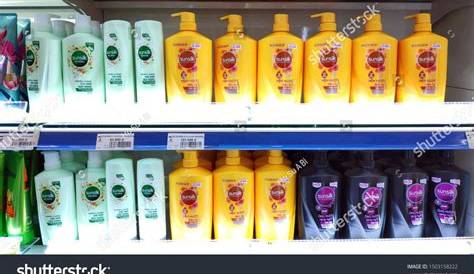
Sunsilk sets its prices by balancing affordability with brand quality to compete effectively in the crowded haircare market. Its pricing strategy combines cost, customer value, competitor pricing, product variants, packaging, and promotions to appeal to a broad audience without losing its trusted image. Understanding how Sunsilk approaches pricing reveals practical strategies that help it stand out among brands like Pantene and Dove while maintaining steady sales and customer loyalty.
What is Sunsilk’s overall approach to pricing?
Sunsilk positions itself as a mid-range haircare brand that aims to be accessible without appearing cheap or low quality. Its pricing strikes a balance between affordability and perceived value. Sunsilk avoids the lowest prices that might damage its brand image, and it steers clear of premium pricing that could restrict its customer base. Instead, it targets consumers who want reliable, effective haircare at reasonable prices. This approach supports steady sales while building trust and loyalty among its customers.
How does Sunsilk decide on its price points?
Sunsilk combines several pricing methods to set its prices. It uses cost-plus pricing by calculating production, packaging, marketing, and distribution costs, then adding a margin for profit. Alongside this, Sunsilk applies competitive pricing by comparing prices with rivals like Pantene and Dove, keeping its prices attractive without sparking damaging price wars. Value-based pricing also plays a role, especially for specialized products—if a formula offers extra benefits, Sunsilk may price it higher to reflect that added value. For example, a 180ml shampoo bottle might cost a bit more than a 100ml bottle because it offers more quantity and sometimes enhanced features.
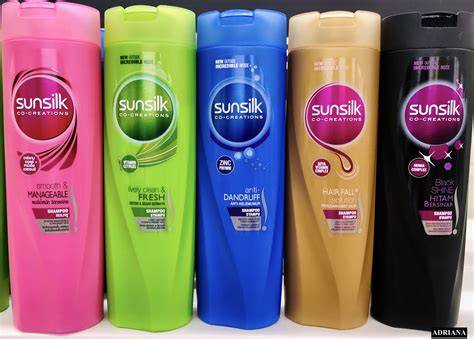
Why does Sunsilk offer multiple product variants at different prices?
Sunsilk offers a variety of sizes, formulas, and products targeting specific hair concerns, each priced to meet different consumer needs. This variety lets Sunsilk cater to customers with various budgets and haircare priorities. Smaller sachets or travel-size bottles are priced lower to appeal to first-time users or those wanting to try the product with little commitment. Larger bottles or premium formulas, like those for anti-dandruff or color protection, command higher prices because they address specialized needs or provide better value per milliliter. This tiered pricing encourages customers to upgrade or remain loyal as their preferences change.
How do competitors influence Sunsilk’s pricing?
Competition significantly shapes Sunsilk’s pricing. Sunsilk keeps a close eye on price changes and promotions from strong competitors like Pantene and Dove. If a rival drops prices or introduces affordable variants, Sunsilk may adjust its prices or add value through packaging or deals. Sunsilk avoids price wars that could harm margins or brand image. Instead, it focuses on differentiating with unique formulas and targeted benefits while maintaining competitive pricing. This strategy helps Sunsilk protect market share without sacrificing profit or brand reputation.
What role do promotions and discounts play in Sunsilk’s pricing strategy?
Promotions and discounts help Sunsilk attract customers temporarily without lowering regular prices. Sales events, coupons, and bundle offers create urgency and encourage trial or repeat purchases. For example, Sunsilk might run "buy one, get one at 50% off" deals or discount shampoo and conditioner packs during festive seasons. These short-term promotions help Sunsilk compete in price-sensitive markets while preserving its brand positioning. Importantly, discounts don’t replace regular prices but serve as tactical boosts to volume and visibility.
How does Sunsilk balance affordability with brand image?
Sunsilk manages to keep prices accessible while maintaining a quality brand image by focusing on consistent product quality and marketing that highlights benefits like nourishment and shine. It avoids luxury pricing that could alienate core customers. Packaging quality, endorsements, and advertising reinforce Sunsilk as a good-value brand. Affordability here doesn’t mean cutting corners; instead, it reflects smart cost management and pricing that communicates both value and quality, so customers feel confident in their purchase without overspending.
Does Sunsilk’s pricing vary by region or market?
Yes, Sunsilk adjusts prices based on regional market conditions and consumer income levels. In emerging markets where price sensitivity is higher, Sunsilk offers smaller pack sizes or simpler variants at lower prices to fit local budgets. In developed markets, prices tend to be higher to reflect consumer expectations and business costs. Factors like currency fluctuations, import duties, and distribution expenses also affect regional pricing. This flexibility allows Sunsilk to stay competitive worldwide while respecting local affordability and market realities.
How does packaging influence Sunsilk’s price?
Packaging affects Sunsilk’s costs and prices in several ways. Larger bottles generally have a lower cost per milliliter, letting Sunsilk offer better value with bigger sizes. More complex packaging—such as pump bottles or eco-friendly materials—increases costs and can raise prices. Packaging that preserves product quality or improves user experience justifies higher prices since customers often associate good packaging with premium quality. Conversely, simple sachets or travel packs cost less and are priced lower, appealing to budget-conscious buyers or those trying the product for the first time.
What mistakes do people make when analyzing Sunsilk’s pricing?
Many people assume all Sunsilk products have the same price or mistake promotional prices for regular prices. Overlooking how variants and pack sizes influence pricing leads to confusion about the brand’s strategy. Others ignore competition or regional differences, which cause prices to vary widely. Some analyses miss that temporary discounts are strategic moves, not permanent price cuts. Recognizing these details is key to understanding Sunsilk’s pricing accurately.
What can marketers learn from Sunsilk’s pricing strategy?
Sunsilk’s pricing strategy offers clear lessons. Pricing isn’t just about covering costs—it’s about positioning your brand in a competitive market. Tiered pricing through product variants helps reach diverse customer segments. Monitoring competitors and adjusting prices carefully avoids damaging price wars. Strategic promotions can increase sales without hurting brand image. Considering packaging’s effect on cost and value perception is also crucial. Sunsilk shows that pricing must be flexible, customer-focused, and aligned with brand identity to succeed.
Conclusion
Pricing is more than just a number—it’s a dynamic tool that balances costs, competition, and customer value. Sunsilk’s strategy combines these elements to stay relevant, profitable, and trusted. Instead of focusing only on shelf prices, look at product variants, packaging, and promotions to get the full picture. Good pricing supports sales and brand reputation, encouraging loyalty and market growth. Keep these principles in mind when developing your pricing strategy, and you’ll be better prepared to make choices that resonate with customers and withstand competitive pressure.
Frequently Asked Questions
Does Sunsilk use the same pricing strategy worldwide?
No. Sunsilk adjusts its pricing based on local market conditions, consumer income, and competition. Prices and product options can differ significantly between countries to match local needs and budgets.
Why does Sunsilk offer smaller sachets at lower prices?
Smaller sachets provide a low-cost option for budget-conscious customers or people wanting to try Sunsilk without buying a full-size bottle. These options help Sunsilk reach more customers and encourage trial purchases.
How often does Sunsilk run promotions or discounts?
Promotions and discounts usually coincide with sales seasons, new product launches, or competitor actions. Sunsilk uses them strategically to boost short-term sales while keeping regular prices stable.
Is Sunsilk considered a premium brand because of its pricing?
Not exactly. Sunsilk is positioned as a mid-range brand that balances quality and affordability. It aims to be accessible to many customers while maintaining a good reputation, rather than positioning itself as premium.
How does packaging affect Sunsilk’s pricing?
Packaging influences both production costs and how customers perceive value. Larger or more elaborate packaging can increase prices, while simpler or smaller packs allow for lower-priced options. Good packaging also supports Sunsilk’s quality image.