If you run a small business, you might wonder how SEO fits into your overall digital marketing efforts to attract more customers online. Simply put, SEO (search engine optimization) helps your website appear higher in search engine results, driving organic traffic without ongoing ad costs. Digital marketing covers all online promotion methods, including SEO, social media, email marketing, and paid ads. SEO supports your broader digital marketing by building a solid foundation that brings steady, relevant visitors to your site, helping your other channels perform better over time.
What exactly is SEO and how does it relate to digital marketing?
SEO involves improving your website and online presence so search engines rank you higher for relevant searches. This includes selecting the right keywords, creating valuable content, speeding up your site, and earning links from other websites. Digital marketing is a broad term for all online promotion efforts, such as social media, email marketing, paid ads, and SEO. SEO focuses specifically on attracting unpaid, organic traffic from search engines. While digital marketing can include paid tactics for quick results, SEO builds lasting growth. Think of SEO as the groundwork that drives relevant visitors to your site, making your other marketing efforts more effective.
Why should I care about SEO if I’m already using social media ads?
Social media ads can quickly bring attention to your business, but they stop working once you stop paying. SEO helps your site appear naturally in search results, attracting visitors without ongoing costs. For example, a bakery using Facebook ads to promote seasonal cupcakes will see traffic drop when ads pause. But by optimizing for searches like "best cupcakes near me" or "gluten-free bakery," you attract people actively looking for what you offer. Over time, this organic traffic can become a steady customer source. Using both SEO and social ads together gives you immediate exposure plus long-term presence.
What are the common myths about SEO’s role in digital marketing?
A common myth is that SEO is just about stuffing keywords on your website. While keywords matter, SEO today involves many factors, including site speed, mobile friendliness, quality content, user experience, and backlinks. Another misconception is that SEO replaces other marketing channels. Actually, SEO complements social media, email, and paid ads rather than replacing them. Some expect instant results from SEO, but it usually takes weeks or months because search engines need time to crawl and rank your site. SEO also isn’t a one-time fix; it requires ongoing updates as markets and search algorithms change. Understanding these realities helps you set realistic goals and maintain a balanced marketing approach.
How do SEO and content marketing work together in digital campaigns?
Content marketing and SEO go hand in hand. When you create blog posts, guides, or helpful pages, optimizing them for SEO means using relevant keywords naturally, structuring your content clearly, and making it easy to read. This helps search engines understand and rank your content better. Great content also keeps visitors engaged, encouraging them to stay longer, share on social media, or link from other sites—all of which boost SEO. For example, a garden supply store publishing an article like "How to Grow Tomatoes in Small Spaces" optimized for certain keywords can attract gardening enthusiasts. This content builds trust, supports your SEO goals, and reinforces your marketing message.
Can SEO improve my email marketing results?
SEO insights can refine your email marketing. By tracking which keywords bring visitors and what content they engage with, you learn what interests your audience. This lets you create email campaigns that match those interests, making your messages more relevant and effective. For instance, if SEO data reveals many visitors search for "eco-friendly cleaning tips," you can send emails with related offers or blog links. SEO also shows which website pages are popular or which questions visitors have, inspiring email content that addresses those needs. So, SEO not only drives traffic but also helps you connect better through email.

How do social media and SEO complement each other?
Social media and SEO support each other in subtle ways. When people share your content on platforms like Facebook, Twitter, or LinkedIn, it increases visibility and drives more visitors to your site. While social shares don’t directly boost search rankings, increased traffic and engagement can lead to more backlinks and stronger brand recognition, which do impact SEO. Conversely, SEO helps attract organic search visitors who might then follow or share your content on social media, creating a cycle of visibility. For example, a well-optimized blog post can rank high in search results and get shared widely on social media, expanding your reach beyond search engines. Using both channels together maximizes how many people find and engage with your business online.
What tools can help me track SEO as part of my digital marketing efforts?
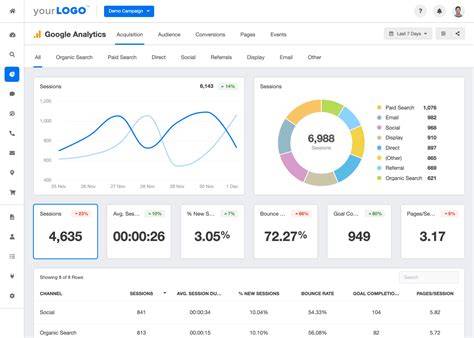
Several user-friendly tools show SEO metrics alongside data from other marketing channels, helping you see the big picture. Google Analytics tracks website traffic sources, including organic search, and reveals visitor behavior. Google Search Console provides details on how your site performs in search results, showing which keywords bring traffic and highlighting technical issues to fix. For a broader view that includes social media and email performance, platforms like SEMrush or Moz offer combined dashboards, though they might require some learning and investment. Simple tools like Ubersuggest also provide keyword suggestions and basic site audits. Using these tools together helps you understand how SEO fits into your overall strategy and where to focus your efforts.
How do I create a simple plan that combines SEO with my other digital marketing activities?
Begin by defining your main business goals and the audience you want to reach. Pick a few keywords related to your products or services to guide your SEO work. Create or update content around those keywords, making sure it’s useful and easy to read. At the same time, schedule social media posts that promote this content and send emails that engage your subscribers with related topics. Regularly review website traffic, search rankings, and social engagement using tools like Google Analytics and Search Console. Keep your efforts manageable by dedicating a small amount of time each week instead of trying to do everything at once. This approach aligns SEO with your existing marketing, ensuring each channel supports the others without overwhelming you.
What mistakes should I avoid when mixing SEO and digital marketing strategies?
Avoid neglecting mobile optimization. Many people browse on their phones, so a site that doesn’t work well on mobile loses visitors and ranks lower. Don’t focus only on search rankings; high rank won’t help if your site isn’t user-friendly or doesn’t meet visitor needs. Beware of overloading content with keywords—it can make your site feel spammy and drive visitors away. Also, don’t ignore other marketing channels while focusing on SEO. The best results come from combining SEO with social media, email, and paid ads thoughtfully, not expecting SEO to do everything alone.
Where can I learn more or get help with SEO and digital marketing together?
Many reliable resources cover SEO and digital marketing together. Websites like Moz and HubSpot have beginner-friendly articles and tutorials that explain these topics clearly. Online communities such as Reddit’s r/SEO or specialized Facebook groups connect you with other small business owners and marketers who share advice. If you want personalized help, look for local digital marketing consultants or agencies that specialize in small businesses and offer integrated SEO services. Many provide free initial consultations so you can see if their approach fits your needs without commitment. Combining self-learning with expert advice can build your confidence and improve your results over time.
Conclusion
Start with a few key SEO actions that support your current digital marketing, like optimizing website content and sharing it on social media. Avoid chasing quick ranking wins or trying to tackle everything at once. Instead, focus on steady growth by combining SEO with ads, email, and social posts to reach more customers naturally and reliably. Success looks like more website visits from search engines, higher engagement on your content, and email campaigns that connect with your audience—all working together to grow your business without overloading your schedule.
Frequently Asked Questions
Is SEO better than paid ads for my small business?
SEO and paid ads serve different purposes. Ads provide quick visibility while you pay for them, and SEO builds long-term organic traffic. Using both together usually achieves the best steady growth.
How long does it take to see results from SEO?
It usually takes a few weeks to several months to notice significant SEO improvements because search engines need time to index your changes and adjust rankings.
Can I do SEO myself or do I need a professional?
Many SEO basics can be managed by small business owners with some learning and patience. Professionals can help with technical aspects or advanced strategies if you want faster or more comprehensive results.
Does social media activity directly improve my SEO rankings?
Social media shares don’t directly increase SEO rankings, but they boost content visibility and traffic, which can lead to backlinks and brand awareness that support SEO indirectly.
What’s the easiest way to start integrating SEO with my email marketing?
Use SEO data to identify popular topics your visitors search for, then create email content around those interests. This makes your emails more relevant and engaging for your subscribers.