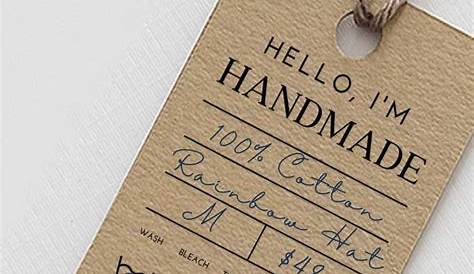
Pricing your handmade products is more than just adding up costs or matching competitors’ prices. It’s about setting a price that feels right to you and your customers by reflecting the value your work offers. Getting this balance right helps you attract buyers who appreciate your craft without feeling like you’re undervaluing yourself. Price influences perception and buying decisions in ways that go beyond numbers, so understanding the psychology behind pricing gives you the confidence to set prices that work for your business and your customers.
Why does price feel more than just a number?
Price carries meaning beyond dollars and cents because it connects to customers’ emotions and expectations. For example, a $500 luxury handbag suggests exclusivity, status, and craftsmanship, not just material cost. Meanwhile, a $20 handbag at a discount store signals affordability and practicality. Your handmade products’ price tells a story about quality and uniqueness. If priced too low, your work might seem cheap; too high, it could feel out of reach. Recognizing this helps you set prices that match the story and value you want customers to see.
What psychological tricks do sellers use to set prices?
Many sellers use psychological pricing strategies to influence buying decisions subtly. Charm pricing—prices ending in .99 or .95, like $19.99—makes a price feel smaller because customers focus on the first digit. Bundling offers related products together, making the deal seem better than buying each item alone. Decoy pricing adds a less attractive option to make another choice look better, like offering small, medium, and large sizes with prices arranged to encourage buying the large. Knowing these tactics helps you decide which fit your goals—whether highlighting value, encouraging bigger purchases, or guiding choices gently.
How does ‘anchoring’ change what customers expect to pay?
Anchoring happens when the first price customers see sets their expectations for other prices. If a $100 item is shown first, a $60 product feels more reasonable; if $60 is first, $100 seems expensive. For example, a coffee shop menu listing a $6 specialty latte first makes a $4 regular latte seem like a good deal. You can use this by showing a higher-priced product alongside others to make mid-range options more appealing. But the anchor must feel realistic and related to your products, or it can backfire. Arrange your offerings so the anchor supports the value you want customers to notice.
Is $9.99 really better than $10.00? When and why?
The $9.99 price works because of the "left digit effect": buyers see the first digit and perceive the price as closer to $9 than $10. That small difference often nudges customers to buy since $9.99 feels noticeably cheaper, even if it’s just a cent less. But this doesn’t always fit handmade or luxury items. Sometimes $9.99 can make a product seem less premium, while $10 looks cleaner and more upscale. Also, some customers or cultures may find odd pricing suspicious. Use odd pricing for lower-cost, everyday items where buyers are price sensitive, and round numbers for products where quality and exclusivity matter more.
How can I price my product to feel worth it without scaring people off?
Balance your product’s perceived value with what your customers expect and can afford. For example, handmade jewelry priced too low might feel like costume jewelry, while too high could deter new buyers. Start by calculating your costs and desired profit, then look at similar products to find where you fit. Let your price reflect your story—materials, craftsmanship, and uniqueness—so customers feel they’re getting something special. You can also offer tiered options or limited editions to appeal to different buyers without lowering your standard prices.
Why do some customers happily pay more for less?
Customers pay more when they connect emotionally with a product through exclusivity, trust, or social proof. A boutique brand that shares the maker’s story or offers customization justifies higher prices because buyers aren’t just buying a product—they’re buying an experience or identity. Positive reviews or endorsements reduce perceived risk, making higher prices feel safer. Limited editions or members-only offers tap into the desire to stand out or belong. These emotional triggers let you create messaging and experiences that make your prices feel fair and earned, not inflated.
What role does context play in how people interpret prices?
Price perception changes depending on where and how people shop. Online shoppers can compare prices easily, so your price must stand out through storytelling, presentation, or added value. In a physical store, factors like ambiance, packaging, and the salesperson’s enthusiasm can justify higher prices. Competitor prices set expectations too: if similar products cost $50, your $70 item needs a clear reason to seem worth it. Even how prices look—the font, color, placement—affects perception. Knowing your context helps you adjust prices and presentation so your price feels fair and fitting.
How do I test new prices without risking my sales or reputation?
Testing prices doesn’t have to be risky. Start small with A/B testing—offer two price points to different groups via your website or social media and see which performs better. You can also try limited-time offers or bundles before changing your base price. Ask customers for feedback through surveys or casual conversations to understand how they feel about your pricing. Make changes gradually and be clear about promotions to avoid confusing or upsetting customers. This approach lets you learn what works without damaging your brand or sales.
When should I rethink my pricing strategy?
Consider revising your pricing if sales stall despite steady interest, if customers often mention price as a barrier, or if competitors change their prices. Negative feedback about value or quality signals your price and customer perception don’t match. Also, if your costs rise significantly or your brand moves toward a more premium position, it’s time to adjust. When you notice these signs, review your costs, market position, and customer feedback carefully. Test any new prices gradually to find the right fit without disrupting your business.
What’s the one mindset shift that can help me price better?
Instead of treating pricing as just numbers, see it as storytelling and building relationships. Your price tells customers what your product means, who it’s for, and why it matters. This mindset shifts your focus from undercutting competitors to communicating value and connecting emotionally. Pricing this way helps you set prices with confidence, knowing you’re offering something meaningful, not just a commodity. It encourages trust and loyalty, which lead to better sales and lasting growth.
Conclusion
Think about what your price says about your handmade products. Don’t fall into the trap of underpricing just to make sales—low prices often send the wrong message about your work’s value. Instead, set prices that reflect your quality, effort, and uniqueness. Test with your customers on a small scale to see how they respond and adjust as needed. A good price feels fair to both you and your buyers and helps your product stand out for the right reasons. When you get your pricing right, you won’t just sell more—you’ll build a brand people trust and want to come back to.
Frequently Asked Questions
How can I decide if odd pricing like $9.99 is right for my handmade products?
Odd pricing works best for everyday, lower-cost items where buyers notice small price differences. For handmade or premium products, round numbers often feel cleaner and better reflect quality. Think about your brand and what your customers expect before choosing.
What’s a simple way to test new prices without confusing my customers?
Use A/B testing by offering two prices to different groups through your website or social media. Keep changes small and clearly explain any promotions to avoid confusion or mistrust.
Why do some customers pay more for handmade items even if cheaper alternatives exist?
Emotional connections like exclusivity, trust, and the story behind your product make customers willing to pay extra. They’re buying a unique experience or identity that mass-produced items can’t offer.
How does showing a higher-priced product first influence buying decisions?
Showing a high-priced item first sets an anchor, shaping expectations. It makes other options seem more reasonable or like better deals, helping guide customers toward mid-range choices they feel comfortable with.
When should I consider changing my pricing strategy?
If sales stall despite interest, if customers mention price as a problem, or if your costs or brand positioning change, it’s time to review pricing. Use customer feedback and market research to guide your adjustments.