You should prioritize profitable advertising over chasing high ROAS when your main goal is to increase actual profit, not just revenue. ROAS measures how much revenue you earn for every dollar spent on ads, but it doesn’t account for all the costs involved in making that revenue profitable. By focusing on profit instead, you ensure your advertising efforts truly boost your bottom line, even if the ROAS looks lower. This helps you make smarter, sustainable decisions about your ad budget and business growth.
What does ROAS actually tell me about my ads?
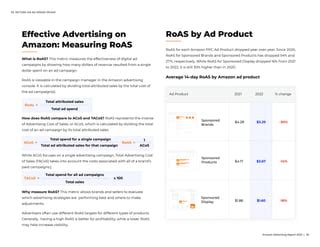
ROAS stands for Return on Ad Spend and measures how much revenue you generate for every dollar spent on advertising. For example, spending $100 on ads that bring in $500 in sales gives you a ROAS of 5:1. While this shows sales efficiency, ROAS only compares ad spend to revenue. It doesn’t include other important costs like product manufacturing, shipping, customer service, or overhead expenses. So, a campaign with high ROAS might still be unprofitable if those other costs eat up your margins. ROAS provides a quick look at sales performance but doesn’t tell you if you’re actually making money.
Why isn’t a high ROAS always the same as high profit?
A high ROAS can be misleading because it ignores costs beyond advertising. For example, if you sell a product for $100 but it costs $90 to produce and ship, and you spend $10 on ads, your ROAS is 10:1. That sounds great, but your profit is zero since all the revenue is used up by costs. Some campaigns may achieve high ROAS by focusing on low-margin products that don’t cover fixed costs like salaries or rent. Without accounting for these expenses, you might think a campaign is profitable when it’s barely breaking even or even losing money.
When might it make sense to prioritize profit over ROAS?
There are several situations where focusing on profit instead of ROAS makes more sense. If you’re scaling your business, accepting a lower ROAS might be worthwhile to grow market share and increase customer lifetime value. When clearing inventory, ads with lower ROAS can still be profitable if they free up capital tied in stock. Brand awareness campaigns often show low ROAS at first but contribute to future sales and profits by building recognition. In these cases, chasing only high ROAS misses the bigger picture of sustainable growth and overall profit.
How do I calculate advertising profit accurately?
To calculate your true advertising profit, subtract all related costs from the revenue generated by your ads. Start with total sales from a campaign, then subtract ad spend. Next, subtract the cost of goods sold, including manufacturing or wholesale price, packaging, and shipping. Also include overhead costs like warehouse fees, salaries, and payment processing fees allocated to that campaign or product. The formula looks like this: Profit = Revenue - (Ad Spend + Product Costs + Fulfillment + Overhead). Tracking this requires good data on your expenses and sales attribution, but it reveals whether your ads are genuinely adding to your bottom line.

What are the common pitfalls of chasing high ROAS alone?
Focusing only on high ROAS can cause you to overlook important factors. You might miss the value of acquiring customers who buy repeatedly over time since ROAS looks only at immediate returns. You could avoid spending on brand awareness or new product launches that don’t pay off quickly but are crucial for growth. This focus might push you to sell low-margin products just to boost ROAS, which hurts profit in the long run. Also, chasing ROAS can disconnect advertising from your overall business strategy, leading to short-term gains at the cost of sustainable success.
Can a campaign with lower ROAS still be a winner?
Absolutely. Campaigns with lower ROAS can be very profitable if they drive long-term value. For example, ads promoting subscription services or products with upsell opportunities might have a low initial ROAS but generate much higher profit over time through recurring revenue. Imagine spending $100 on ads that bring $200 in immediate sales (ROAS 2:1), but those customers eventually spend an extra $400. That total profit outweighs what a high ROAS campaign might deliver. Similarly, brand awareness or engagement-focused ads may seem less efficient at first but create future sales and stronger customer relationships.
How do I track and compare profitable advertising campaigns effectively?
To track profitable campaigns, combine ROAS with profit metrics. Use spreadsheets or ad platforms that track costs and conversions to calculate profit per campaign. Key data includes total revenue, ad spend, cost of goods sold, fulfillment costs, and overhead allocation. Comparing campaigns by profit rather than just ROAS shows which ads truly contribute to your bottom line. Some businesses also track customer lifetime value, average order value, and profit margin by campaign to make better budget decisions. This approach gives a fuller picture of each campaign’s financial impact beyond surface numbers.
How to shift your mindset and strategy from ROAS to profit focus?
Start by setting profit-based goals instead of only targeting ROAS. Include profit per campaign or profit margin alongside ROAS in your key performance indicators. Explain this change to your team and stakeholders, highlighting why profit matters more for lasting growth. This mindset helps you evaluate campaigns with an eye on long-term returns instead of just immediate sales. Be willing to test campaigns with lower ROAS but strong profit potential. Over time, this shift encourages smarter ad spending that supports your overall business health rather than chasing a single metric.
What practical steps can I take to test profitable advertising over ROAS?
Begin with small tests where you track all costs, not just ad spend, and measure campaign profit. Improve product offers to boost margins—bundling or upselling can raise profit without necessarily increasing ROAS. Review your cost structure to find ways to lower fulfillment or overhead expenses. Try allocating some budget to brand awareness or customer acquisition campaigns that may have lower ROAS but higher lifetime value potential. Regularly review results and adjust your strategy based on profit, not just ROAS numbers.
How do I know if prioritizing profit over ROAS is working?
You’ll notice improvements in net profit from your advertising campaigns, even if ROAS drops a bit. Sustainable growth is another sign—when your business scales without losing margins or running at a loss. Success also shows in better alignment with your goals, like higher customer retention or bigger market share. If your ad spend feels more strategic and your financial reports reflect healthier returns, it means focusing on profit over ROAS is paying off.
Conclusion
Look beyond ROAS and calculate the real profit your ads generate. Don’t chase the highest ROAS if it doesn’t cover your costs or support your business goals. A profitable ad strategy balances revenue with all expenses and considers long-term value. Shifting your focus to profit helps you spend smarter, spot better growth opportunities, and build a healthier business. Keep tracking profit carefully, test campaigns thoughtfully, and prioritize what truly improves your bottom line rather than just what looks good on paper.
Frequently Asked Questions
Can I use ROAS and profit metrics together?
Yes. ROAS gives a quick view of revenue efficiency, while profit metrics show your actual earnings after costs. Using both helps you understand immediate sales and long-term financial health.
Is it okay to run ads with low or negative ROAS sometimes?
Yes. Ads that build brand awareness, clear inventory, or acquire customers with high lifetime value can justify lower initial ROAS if they lead to profits later on.
How often should I recalculate profit from advertising?
Review your advertising profit regularly—monthly or after each campaign cycle—so you can adjust your strategy based on current costs and sales data. Frequent checks help avoid overspending on unprofitable ads.
What if I don’t have detailed cost data?
Start by estimating product costs and overhead as best you can. Even rough numbers are better than ignoring costs entirely. Improving your data over time will give you clearer insights into true profitability.
How do I explain shifting focus from ROAS to profit to stakeholders?
Explain that profit-focused advertising supports sustainable growth and better long-term returns. Share examples where high ROAS campaigns didn’t make money, and emphasize how profit metrics align ad spending more closely with business goals.