Pricing a new product can feel tricky: set it too high, and you lose customers; too low, and you miss out on profits or cheapen your brand. Two effective pricing strategies—value-based pricing and dynamic pricing—offer fresh ways to find that sweet spot. These methods focus on what your customers truly value and how the market shifts, helping you increase sales and profits without guesswork or constant discounting.
What exactly are these two new product pricing strategies?
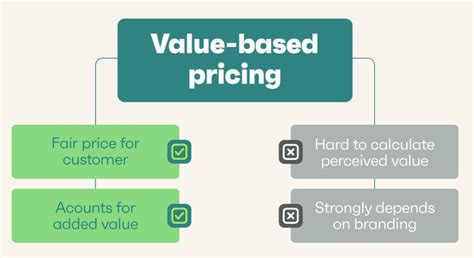
The two strategies are value-based pricing and dynamic pricing. Value-based pricing sets your product’s price based on how much customers believe it's worth, not just your costs or competitors’ prices. To do this well, you need to understand your customers’ perception of your product’s benefits and what they’re willing to pay. Dynamic pricing means regularly changing your prices in response to demand, competition, or inventory levels, similar to how airlines or ride-sharing apps adjust fares throughout the day. Both strategies encourage flexibility and align your prices with real customer behavior and market conditions, moving away from fixed pricing models.
Why should I consider changing my product pricing strategy now?
Competition is fierce, and customers have more choices and information than ever. They expect prices that match the value they receive and the current market. Plus, new digital tools make it easier to gather data and adjust prices quickly. If you rely only on cost-plus pricing or fixed markups, you might be leaving money on the table or losing customers to competitors who price smarter. Updating your pricing approach helps you meet customer expectations and respond to market changes, giving your product a better chance to succeed.
How does the first pricing strategy work and when is it best used?
Value-based pricing starts by identifying the unique benefits your product offers and how much your target customers value those benefits. You then set a price that reflects that perceived worth, often allowing you to charge more for features or solutions that stand out. This strategy works best for products with clear differentiation—like software that saves time or a specialty food with health benefits. It’s less effective for commodities or markets where customers mainly shop by price. To get it right, invest in customer research—surveys, interviews, or testing prices—to find what buyers accept without hesitation.
How does the second pricing strategy work and when is it best used?
Dynamic pricing means adjusting prices often based on factors like demand changes, competitor pricing, or stock levels. For instance, a seasonal product might start at a high price when demand peaks and drop as the season fades. Online retailers might raise prices during a surge in interest and lower them afterward. This strategy fits products with fluctuating demand, limited inventory, or fast-changing markets—think event tickets, fashion items, or perishables. To succeed, you need reliable data and the ability to update prices quickly without confusing or upsetting customers.
What mistakes do people often make when trying these strategies?
With value-based pricing, a common mistake is overestimating customer willingness to pay, which leads to prices that are too high and hurt sales. Skipping customer research or ignoring competitors’ pricing can cause this. For dynamic pricing, changing prices too often or by large amounts can frustrate customers and damage trust. Failing to explain why prices fluctuate also creates confusion. Both strategies require clear communication and testing—jumping in without preparation can backfire.
How do I decide which strategy fits my product and customers better?
Ask yourself: Does your product offer unique benefits that customers recognize? If yes, value-based pricing might be ideal. Do your sales depend heavily on changing demand or inventory? Then dynamic pricing could work better. Also consider your customers’ sensitivity to price and your ability to collect data and adjust prices frequently—dynamic pricing requires more flexibility. If you’re unsure, try each strategy on a small scale to see what resonates before committing fully.
Can I combine elements of both strategies or switch between them?
Yes, these strategies can work together. You might set a value-based price to reflect customer value, then use dynamic pricing within that framework to respond to changes in demand or inventory. For example, keep your base price value-driven but offer limited-time discounts or seasonal adjustments. Switching between strategies over time also makes sense if your market or customers change. Being adaptable is key since rigid pricing rarely fits a competitive market.
How can I test these pricing strategies without risking too much?
Start small by testing on a limited customer segment or product batch. For value-based pricing, try different prices in controlled ways like A/B testing on your website or offering varied prices in different regions. For dynamic pricing, simulate price changes during low-risk times or with a small group. Gather customer feedback and track sales closely. Avoid sudden or large price jumps during tests to keep customers comfortable. These small experiments provide useful data and help you fine-tune before a full rollout.
What metrics should I track to know if the new pricing is working?
Don’t just look at sales volume. Track profit margins to ensure prices cover costs and generate profit. Monitor customer acquisition costs to see if pricing affects your ability to attract buyers. Watch churn or return rates since high or volatile prices might drive customers away. Conversion rates on tested prices give direct insight into customer acceptance. Also pay attention to customer feedback and competitors’ reactions. Combining financial and customer behavior metrics gives a well-rounded view of how your pricing performs.
What’s a simple first step I can take tomorrow to start implementing one of these strategies?
Choose one product and have honest conversations with a few current or potential customers about what they value most and what price feels fair. Use their feedback to adjust your current price or set a test price. If you want to try dynamic pricing, consider a limited-time discount or a brief price increase and watch how customers respond. Starting small keeps risk low and gives you real data. Listening and experimenting moves you from guessing to pricing based on facts quickly.
Conclusion
Changing your pricing approach isn’t about guessing the perfect price upfront. It’s about understanding your customers and market, then adjusting based on real feedback and data. Begin with simple conversations and small tests, and stay ready to adapt. Pricing strategies like value-based and dynamic pricing provide a framework to respond thoughtfully instead of guessing. When your price matches what customers expect and what the market supports, your sales and profits can grow steadily without unnecessary risk or frustration.
Frequently Asked Questions
What is value-based pricing and how is it different from cost-plus pricing?
Value-based pricing sets your price based on what customers believe your product is worth, focusing on the benefits they receive. Cost-plus pricing simply adds a fixed margin on top of your production costs without considering how much customers are willing to pay.
Can dynamic pricing upset my customers?
It can if prices change too often or without explanation. To avoid this, make changes reasonable and transparent so customers understand why prices vary. Testing on a small scale helps spot any negative reactions before you apply it broadly.
Which types of products benefit most from value-based pricing?
Products with clear advantages or that solve specific problems tend to benefit most. Examples include specialized software, health-focused foods, or innovative gadgets where customers see unique value. Generic or commodity products usually don’t fit this strategy well.
How often should I review or adjust prices using dynamic pricing?
It depends on your market and how quickly you can access data. Some businesses update prices daily or weekly; others do so monthly. The key is to balance being responsive with keeping prices stable enough that customers aren’t confused.
Is it risky to switch pricing strategies after launch?
Switching pricing strategies carries some risk but can improve results if your current approach isn’t working. Reduce risk by testing changes on small groups first and monitoring key metrics closely. Being flexible usually leads to better long-term outcomes.