CPC, or Cost-Per-Click, is the amount you pay Google each time someone clicks on your ad. Understanding CPC is essential because it directly affects your advertising budget and how effective your campaigns are. If your CPC is too high, you risk spending too much without enough return. If it’s too low or not managed well, you might miss out on valuable customers. This guide will explain how CPC works in Google Ads, how it’s calculated, and how you can optimize it to get the best results for your business.
What exactly is CPC in Google Adwords and why should I care?
CPC means Cost-Per-Click — you pay Google only when someone actually clicks your ad, not just when the ad appears. This makes CPC important because it controls how much each potential customer costs you. If your CPC is too high, you might pay a lot for clicks that don’t turn into sales or leads. By understanding CPC, you can manage your advertising budget better and get more value from your ads without overspending.
How does Google determine the CPC I actually pay?
Google runs an auction each time your ad competes to show. Your actual CPC depends on your Ad Rank, which combines your bid and your Quality Score. Quality Score reflects how relevant and helpful your ad and landing page are to users. For example, if you bid $2 but have a high Quality Score, you might pay only $1.50. This system rewards ads that give users a good experience. So, even if you bid less than a competitor, you can get a better ad position if your ad is more relevant.
What types of CPC bidding options does Google offer?
Google Ads offers several ways to manage CPC bids. Manual CPC lets you set bids for each keyword, giving you control but requiring more effort. Enhanced CPC adjusts your manual bids automatically based on how likely a click is to convert, increasing or decreasing bids to improve results. Automated strategies like Target CPA (cost per acquisition) or Maximize Clicks use machine learning to adjust bids in real time to reach specific goals. Many advertisers start with manual CPC to learn, then switch to automated bidding to save time and boost efficiency once they have enough data.
How can I find out what my current CPC is and track changes over time?
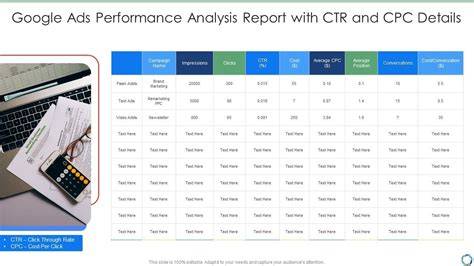
You can see your average CPC inside your Google Ads account in the Keywords or Campaigns tab under the “Avg. CPC” column. To track how your CPC changes, use the date range selector to compare different periods. You can also create custom reports or dashboards that show CPC alongside clicks, impressions, and conversions. Regularly reviewing this data helps you notice when CPC rises or falls, so you can adjust your campaigns to stay on budget and improve performance.
Why is my CPC sometimes higher than I expect or want?
Several factors can push your CPC higher than you’d like. A low Quality Score is a common reason—if your ads or landing pages aren’t relevant or useful, Google charges more per click. High competition for your keywords means many advertisers are bidding on the same spots, driving prices up. Using broad or generic keywords can attract irrelevant clicks that cost you money. Aggressive bidding or targeting expensive locations or audiences can also raise CPC. Understanding these factors helps you identify why your costs increase and how to fix the issues.
How can I lower my CPC without sacrificing ad performance?
To lower CPC while keeping your ads effective, focus on improving your Quality Score and targeting. Use more specific, relevant keywords instead of broad ones. Write clear, compelling ads that match what your audience is searching for. Make sure your landing pages deliver on your ad’s promise and offer a good user experience. Adding negative keywords prevents your ads from showing on irrelevant searches, saving money. Adjust your targeting to focus on locations, times, or devices that perform best. These steps usually reduce CPC because Google rewards relevance and user satisfaction.
Does CPC vary by industry or keyword type?
Yes, CPC varies a lot by industry and keyword type. For instance, legal and insurance keywords tend to be expensive because each click could lead to a high-value customer. Less competitive niches or informational keywords usually have lower CPCs. Keywords with high commercial intent—showing a buying mindset—often cost more than informational or generic terms. For example, "buy running shoes" typically costs more than "best running shoes for beginners." Knowing this helps you set realistic expectations and budgets based on your market.
What mistakes should I avoid that can cause my CPC to skyrocket?
Avoid using broad match keywords without restrictions, as they can trigger your ads on irrelevant searches and waste money. Failing to add negative keywords lets your ads show for unrelated queries, driving up costs without results. Poor campaign structure—like mixing different products or goals in one campaign—makes optimization harder and can increase CPC. Ignoring factors that affect Quality Score, like ad relevance and landing page experience, also leads to higher costs. Lastly, bidding too aggressively without a clear strategy can quickly drain your budget without improving results.
How do CPC and other metrics like CTR and conversion rate work together?
CPC, CTR (click-through rate), and conversion rate all work together to show how well your ads perform. A higher CTR usually means your ad is relevant and appealing, which can improve your Quality Score and lower your CPC. But a high CTR alone doesn’t help if those clicks don’t turn into sales or leads. Conversion rate measures how well your site converts clicks into customers. Balancing these metrics means aiming for a reasonable CPC, a strong CTR, and a good conversion rate to ensure your ads are cost-effective and bring real business results.
What’s a good CPC to aim for and how can I set realistic goals?
There’s no single good CPC for every business—it depends on your industry, budget, and profit margins. The goal is to find a CPC that lets you get enough clicks while still making a profit from the sales those clicks generate. Start by researching your industry’s average CPC to set a benchmark. Then, calculate how much you can afford to pay per click based on your expected conversion rate and customer value. Set goals to improve your Quality Score and targeting gradually so you can lower CPC over time without losing traffic or sales.
Conclusion
Start by checking your current CPC in Google Ads and understanding what affects it. Focus on improving your ad relevance, keyword choices, and landing pages—these have the biggest impact on lowering CPC. Don’t just chase the lowest CPC; sometimes paying a bit more for higher-quality clicks leads to better sales. Keep an eye on your campaign data regularly and adjust bids and targeting based on how your ads perform. A good CPC is one that fits your budget and supports your business goals, not just the cheapest number. With steady, thoughtful optimization, you’ll get more value from your Google Ads spend.
Frequently Asked Questions
Can I set a maximum CPC bid in Google Ads?
Yes, with manual CPC bidding, you set a maximum bid for each keyword. Google won’t charge you more than that amount per click, which helps you control costs.
Does a higher CPC always mean better ad placement?
Not always. Ad placement depends on your Ad Rank, which combines your bid and Quality Score. A high-quality ad with a lower bid can outrank a lower-quality ad with a higher bid.
How often should I check my CPC and adjust bids?
Checking your CPC weekly or every two weeks is usually enough to spot trends. Adjust bids when you see CPC rising without better results or when you want to increase traffic.
Will using automated bidding always lower my CPC?
Automated bidding can improve efficiency by adjusting bids based on performance data, but it doesn’t guarantee lower CPC. Its goal is to meet your campaign objectives, which sometimes means higher CPC for more conversions.
Are mobile CPCs different from desktop CPCs?
Yes, CPCs can vary by device. Mobile CPCs are often lower, but this depends on your industry and how users behave on different devices. It’s a good idea to review device-specific data in your reports.