If your performance marketing campaigns aren’t delivering the ROI you expected, you’re facing some of the most common challenges marketers encounter. These include targeting the wrong audience, ad fatigue, messy or misleading data, and managing tight budgets. Recognizing these issues and applying practical fixes can revive your campaigns and boost results. This article will help you identify the main obstacles and offer clear strategies to overcome them, so you can start improving your campaign performance today.
Why are my performance marketing campaigns not delivering expected results?
When your campaigns fall short, you’ll often see clear signs: click-through rates drop, conversions lag, or your cost per acquisition rises without more sales or leads. These symptoms usually point to problems like poor audience targeting, ad fatigue, or issues with tracking and data accuracy. Instead of blaming external factors, start by reviewing your campaign setup carefully. Look for sudden changes or flatlining in key metrics, verify if your ads are reaching the right people, and check if your messaging still feels relevant. Spotting these issues early means you can fix them before wasting more budget.
What are the biggest challenges marketers face in performance marketing today?
Marketers often struggle with several key issues. Targeting the right audience is crucial—casting too wide a net wastes budget and lowers returns. Attribution is tricky because it’s hard to pinpoint which ads or channels actually drive conversions, especially across devices and offline actions. Platforms change frequently with new features and algorithm updates, requiring constant adaptation. Ad fatigue happens when audiences see the same ads too often, causing engagement to drop. Balancing budget limits with campaign goals adds another layer of difficulty. Understanding these challenges helps you focus on practical solutions that keep your campaigns effective over time.
How do I know if poor targeting is holding back my campaigns?
Poor targeting usually shows when your ads get clicks but few conversions, or when conversion rates are low despite healthy traffic. Check your audience data and campaign settings to see if your targeting matches your ideal customer profile. For example, selling premium software to a broad audience without filtering for relevant income levels or job titles attracts clicks but few buyers. Analyze demographic data, device types, and times of day to spot mismatches. If some segments underperform, exclude them or narrow your criteria. Often, focusing more tightly on your best prospects leads to better results than targeting everyone.
What role does ad fatigue play and how can I spot it?
Ad fatigue happens when your audience sees the same ads repeatedly, causing engagement and conversions to drop. You might notice click-through rates declining steadily or costs per click rising without changes in bids. Track these trends over days or weeks to catch fatigue early. To refresh your ads, rotate new creative regularly, test different messages, or switch up formats. Even simple changes like new images or headlines can re-engage your audience and prevent campaigns from feeling stale.
Why is measuring performance accurately so tricky?
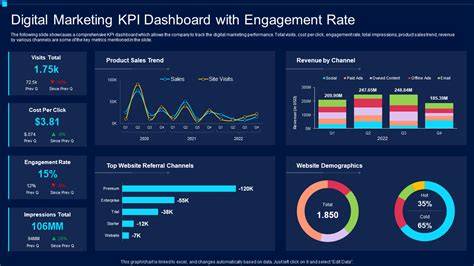
Measuring performance is challenging because data rarely tells the full story. Attribution models differ and often assign credit incorrectly, especially with customers using multiple devices or converting offline. Tracking tools like pixels can miss actions if users block cookies or switch devices. Different platforms may report conflicting numbers. To improve accuracy, use attribution models that fit your business goals and regularly check your tracking setup. Supplement platform data with your own analytics when possible. While no system is perfect, better measurement reduces guesswork and helps make smarter decisions.
How can I make better decisions from my campaign data?
Avoid focusing on vanity metrics like impressions or clicks that don’t directly tie to your goals. Instead, prioritize metrics linked to conversions, cost per acquisition, and return on ad spend. Look for patterns—are certain audiences converting more efficiently? Are some creatives driving better engagement? Use these insights to adjust targeting, bids, and creative elements. Combine your data analysis with qualitative feedback like customer surveys or input from sales teams. This balanced approach moves you beyond surface numbers to practical insights that improve your campaigns over time.
What are cost-related challenges and how do I manage them without sacrificing results?
Budget limits are a reality for most marketers, making every dollar count. The key is balancing cost control with meeting your campaign goals. Instead of cutting spend across the board, focus your budget on your highest-value segments by adjusting bids and targeting. Use bid strategies optimized for conversions rather than just clicks if that fits your objectives. Employ tactics like dayparting or geo-targeting to invest when and where your ads perform best. Regularly pause or reduce spend on underperforming ads to free resources for stronger ones. Managing costs strategically means making thoughtful trade-offs, not just slashing budgets.

How important is creative in overcoming performance marketing challenges?
Creative quality and variety matter more than many marketers realize. Even with perfect targeting and budgets, stale or irrelevant ads won’t convert well. Testing different creative elements—images, headlines, calls to action—helps you find what resonates with your audience. Using data to guide these tests and refreshing creatives regularly keeps your campaigns engaging and reduces ad fatigue. Creative and data-driven strategies work hand in hand: data shows what to try next, and fresh creative keeps your campaigns attractive. Investing in ongoing creative development is one of the best ways to maintain strong performance.
When and how should I experiment with new platforms or channels?
Trying new platforms or channels can unlock new opportunities but also carries risks like unfamiliar tools and uncertain results. Experiment when your current channels stop improving or when a new platform clearly fits your target audience. Start small with test budgets and clear goals to limit risk. Track results carefully and compare them to your existing channels. Scale up gradually if performance is promising, or pivot if it’s not. Introduce new platforms slowly instead of overhauling your whole strategy. Staying open but cautious helps you explore new options without risking your core campaigns.
What practical steps can I take tomorrow to start overcoming these challenges?
Start with a thorough review of your current campaigns: check targeting settings, creative assets, and performance data to find obvious issues. Set clear, realistic KPIs tied to your business goals rather than vanity metrics. Schedule regular check-ins to monitor ad fatigue and rotate creatives before engagement drops. Tighten your tracking setup to ensure data is accurate and consistent. Work closely with your creative and analytics teams to combine insights and ideas. Don’t hesitate to test small changes incrementally—whether refining your audience, adjusting bids, or updating messaging. These habits build a steady cycle of improvement that strengthens your campaigns over time.
Conclusion
Pick one area that feels most off—whether targeting, creative, or measurement—and make small, deliberate changes. Avoid trying to fix everything at once, which can cause confusion and wasted effort. A good sign you’re improving is steady progress in meaningful metrics like conversion rate and cost per acquisition, even if it’s gradual. Keep your expectations realistic and stay curious about what your data reveals. Over time, combining sharp targeting, fresh creative, and accurate measurement will help your campaigns deliver better results without draining your budget or energy.
Frequently Asked Questions
How can I tell if my audience targeting is too broad or too narrow?
If your ads get clicks but few conversions, your targeting might be too broad, attracting uninterested users. If your reach and impressions are very low, your targeting might be too narrow. Testing different audience sizes and watching how conversion rates change helps you find the right balance.
What are simple signs of ad fatigue I can track easily?
Look for a steady drop in click-through rates and rising cost per click over several days. If engagement falls without any changes to bids or budget, it’s a strong sign your audience is getting tired of the current ads.
Why do different platforms show different performance numbers for the same campaign?
Platforms use different attribution models and track conversions differently, which can cause discrepancies. Some users may block tracking or switch devices, leading to incomplete data. Cross-checking data and applying consistent attribution models can help reduce confusion.
Is it better to focus budget on one channel or spread across many?
It depends on your goals and data. Focusing budget on your best-performing channel often gives better ROI at first, while spreading budget can reduce risk and reach new audiences. Testing and gradually shifting budget based on performance usually works best.
How frequently should I update or rotate my ad creatives?
A good rule of thumb is every one to two weeks, especially if you notice engagement dropping. The right frequency depends on your audience size and how long your campaign runs—smaller audiences may need more frequent updates to avoid ad fatigue.