Your campaign objective on Meta directly shapes how often you should show your ads to the same person. Different goals—like awareness, consideration, or conversion—call for different frequencies to keep your ads effective without annoying your audience. Getting this balance right improves campaign performance and helps you avoid wasted budget and ad fatigue.
What does 'campaign objective' mean on Meta and why should I care about it?
On Meta, your campaign objective is the specific goal you pick when creating an ad, such as increasing brand awareness, driving traffic, or boosting conversions like purchases or sign-ups. This choice guides Meta’s delivery system on who to show your ads to and how to optimize their performance. It also affects how often your ads should appear to the same person. Different objectives need different frequency approaches: awareness campaigns can benefit from more repetition to build recall, while conversion campaigns can suffer if people see the same ad too often and get annoyed. So, your objective isn’t just a setup step—it directly influences the acceptable ad frequency to keep your campaign effective and your audience engaged.
Why is ad frequency such a big deal for my campaigns?
Ad frequency is how many times the same person sees your ad within a certain period. It matters because it shapes both how people experience your ads and how well your campaign performs. Too high a frequency can lead to ad fatigue, where viewers get annoyed or start ignoring your ads, which lowers engagement and drives up costs. Too low a frequency might mean your audience doesn’t see your message enough to act on it. Finding the right frequency helps you keep your audience interested, improves response rates, and makes sure your budget is spent efficiently. Managing frequency is key to running campaigns that deliver results without wearing out your audience.
How does the objective change what 'acceptable' ad frequency looks like?
Each campaign objective comes with a different tolerance for ad frequency. Awareness campaigns usually accept higher frequency because repeating your message helps build brand recognition. Consideration campaigns, such as those aiming for engagement or website traffic, need a moderate frequency to stay memorable without feeling pushy. Conversion campaigns require the lowest frequency since asking for a purchase or sign-up is more demanding, and too many exposures can backfire. Matching your frequency to your objective means showing your ads often enough to be effective but not so often that your audience feels overwhelmed or annoyed.
What’s a good frequency range for awareness campaigns?
Awareness campaigns focus on reaching many people and building brand recall. Because audiences expect to see your message multiple times before remembering it, a frequency of about 3 to 6 impressions per person over one to two weeks is usually acceptable. For example, when launching a new product, showing your ad four or five times can help solidify brand identity. Still, monitor engagement and watch for signs of fatigue, especially if your creative doesn’t change much, so you know when to refresh your ads.
How should frequency be managed for consideration or traffic campaigns?
For mid-funnel goals like consideration or driving traffic, aim for a balanced frequency—typically 2 to 4 impressions per person per week. This keeps your brand visible enough to spark interest without feeling like pressure. For instance, if your goal is website visits, showing your ad two or three times might be sufficient to encourage clicks. Keep an eye on engagement and cost metrics; if engagement falls or costs rise, your frequency might be too high and worth adjusting.
Why conversion-focused campaigns usually need lower frequency
Conversion campaigns ask your audience to take a bigger step, like buying or signing up. Because these actions require more commitment, showing the same ad repeatedly can lead to frustration and wasted budget. A lower frequency limit, around 1.5 to 3 impressions per person per week, usually works better. For example, promoting a limited-time offer twice to the same person might push them to act without causing annoyance. Here, the quality of impressions—showing the right message to the right people—matters more than the quantity.
How to track frequency effectively using Meta’s tools
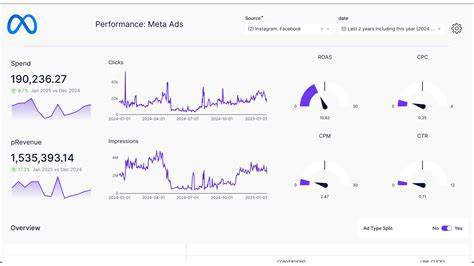
Meta Ads Manager makes it easy to track how often your audience sees your ads. The "Frequency" metric shows the average number of times each person has seen your ad over your chosen timeframe, usually a week. To use this data well, compare frequency alongside performance metrics like click-through rates, cost per result, and engagement levels. If frequency climbs above your target and performance drops, it’s a clear sign to adjust. You can also set automated rules or alerts in Ads Manager to notify you when frequency exceeds limits, saving you from constant manual checks.
What to do when your frequency is too high for your campaign objective
If your frequency goes beyond what’s healthy for your objective, take action to prevent ad fatigue. Start by refreshing your creative elements—new images, videos, or text can renew interest. You can also refine your targeting to reach new people instead of repeatedly showing ads to the same group. Lowering your budget or stretching your campaign timeline helps spread impressions more evenly. If available, use frequency capping to set limits on how many times one person sees your ad. These steps help keep your audience engaged and make sure your budget is used wisely.
Common mistakes marketers make about frequency and objectives
One common error is applying the same frequency limits to all campaigns, ignoring that awareness campaigns can tolerate higher frequency than conversion campaigns. Another mistake is waiting too long before checking frequency, only acting after results suffer. Many also forget to refresh creatives regularly, causing repeated ads to feel stale and annoying. Overlooking how your campaign objective should guide frequency often wastes money and frustrates your audience. To avoid this, actively manage frequency with your goals in mind and watch your data closely.
Final tips for balancing campaign objectives and ad frequency on Meta
Keep your campaign objective front and center when setting frequency goals. More impressions don’t always mean better results—match frequency to your goal. Regularly check frequency alongside key performance metrics and watch for early signs of audience fatigue. Experiment with different frequency ranges and fresh creatives to find what works best. Frequency isn’t something you set once; it needs ongoing attention and adjustment. Stay flexible, and your ads will stay effective without wearing out your audience.
Conclusion
Start by clearly defining your campaign objective, then set frequency targets that fit that goal—higher for awareness, moderate for consideration, and lower for conversions. Avoid one-size-fits-all frequency rules that ignore your specific objective and audience signals. Monitor frequency regularly and adjust before performance declines. The ideal outcome is steady or improving engagement at a frequency that feels natural, not forced. Keep your ads fresh and your audience interested, and your Meta campaigns will have a better chance of success.
Frequently Asked Questions
How does campaign objective affect how often I should show my ads on Meta?
Your campaign objective determines how tolerant your audience is of seeing your ads repeatedly. Awareness campaigns can handle higher frequency to build recall, while conversion campaigns usually need lower frequency to avoid annoying viewers and wasting budget.
What frequency is too high for a conversion campaign?
Generally, showing the same ad more than 3 times per person per week in a conversion campaign can cause ad fatigue and reduce effectiveness. Keeping frequency around 1.5 to 3 impressions per person is usually better.
Can I use the same frequency settings for all campaign objectives?
No. Different objectives need different frequency strategies. Using the same settings risks overexposing your audience in some campaigns or not showing your ads enough in others, which hurts overall performance.
How can I tell if my ad frequency is negatively impacting my campaign?
Look for declining engagement rates, rising costs per action, or flat results as frequency increases. These signs usually mean your audience is tired of your ads and you should adjust frequency or refresh your creatives.
Where do I find ad frequency data in Meta Ads Manager?
Frequency is a standard metric in Meta Ads Manager reports. When viewing your campaign or ad set, look for the "Frequency" column to see the average number of times your ad was shown to each person during your chosen timeframe.