If you’ve noticed your Meta ad costs rising and falling and wonder whether ad frequency is the cause, the answer is yes—how often people see your ad affects both cost and performance. Ad frequency is the average number of times a person in your target audience sees your ad. Too many views can tire or annoy them, pushing costs up and engagement down. Too few views can mean your message doesn’t stick. Knowing how frequency works helps you keep costs manageable and your ads effective.
What exactly is ad frequency and why should I care?
Ad frequency measures how many times, on average, each person in your target audience sees your ad during a campaign. For example, if someone scrolls through Facebook and sees your ad three times in a day, your frequency for that audience is three. Frequency matters because it influences how well your message registers. A low frequency risks your audience missing or forgetting your ad, while a high frequency risks annoying them. For instance, showing a new product ad just once or twice might not convince someone to buy. But showing it 10 times to the same person can feel overwhelming, causing them to ignore or even hide your ad. This not only lowers your campaign’s impact but also increases what Meta charges to run the ad.
How does ad frequency typically affect my ad costs?
Higher ad frequency usually means higher costs per result. That’s because as the same people see your ad repeatedly, Meta has fewer new people to show it to, so your ad competes more within a smaller group. This competition drives up how much you pay for clicks or conversions. For example, if your frequency starts at 1.5 with a cost per click (CPC) of $0.50, increasing frequency to 4 or 5 might push CPC to $0.75 or more. This cost rise isn’t because your ad got worse but because you’re paying more to reach the same audience repeatedly. It signals your audience may be saturated, leading to diminishing returns.
Can too high a frequency actually hurt my ad effectiveness?
Yes. When frequency gets too high, ad fatigue sets in. That means your audience becomes bored or even irritated by seeing the same ad too often. This often leads to lower click-through rates (CTR) and engagement. Typically, as frequency increases from 1 to 2 or 3, your results improve because more people remember your message. But beyond a certain point—often around a frequency of 5 or higher depending on your audience—people start ignoring or reacting negatively to your ad. That results in fewer clicks, lower conversions, and wasted budget. Think of it like inviting the same person to your shop every day; eventually, they stop paying attention.
Is there a ‘perfect’ frequency number I should aim for?
There isn’t a one-size-fits-all frequency number because the best frequency depends on your campaign goals, audience, and ad type. Brand awareness campaigns often need higher frequency to help people remember your brand. Conversely, conversion-focused campaigns usually perform better with lower frequency to avoid spending on people who aren’t responding. For some ads, a frequency of 2 to 3 works well; others can handle 5 or more without losing effectiveness. The key is to test your audience’s response and adjust rather than sticking to a fixed number.
What signs tell me my frequency is too high or too low?
You can tell if frequency is off by watching your ad metrics. If your CTR drops while frequency rises, that’s a strong sign of ad fatigue. Similarly, increasing CPC or cost per result often means your audience is saturated and seeing your ad too often. On the other hand, if frequency is very low (under 1 or 1.5) and your reach isn’t growing, your message may not be making enough impact. These signs suggest it’s time to refresh your creatives, widen your audience, or adjust your frequency settings to balance exposure and engagement.
How can I adjust my campaigns to optimize frequency?
To keep frequency in check, try refreshing your ad creatives regularly to avoid fatigue—new images or messages keep people interested. Expand your audience targeting to give Meta more people to show your ads, which naturally lowers frequency. You can also set frequency caps in Meta Ads Manager to limit how often an individual sees your ad, though this might reduce your overall reach. Rotating multiple ads within an ad set spreads impressions across different creatives, lowering frequency per ad. Using a combination of these strategies helps control frequency without cutting your campaign’s reach or momentum.
Does frequency impact different campaign objectives differently?
Yes. Frequency affects campaign goals differently. Awareness campaigns, like brand recognition or reach, usually benefit from higher frequency because repeated exposure builds memory. For example, seeing a brand’s logo five or six times in a week can boost recall. On the other hand, conversion campaigns such as sales or lead generation tend to do better with lower frequency to avoid annoying people who already had a chance to act. If frequency is too high in these campaigns, people might tune out or even react negatively, which hurts your results and raises costs.
What tools does Meta Ads Manager provide to track and control frequency?
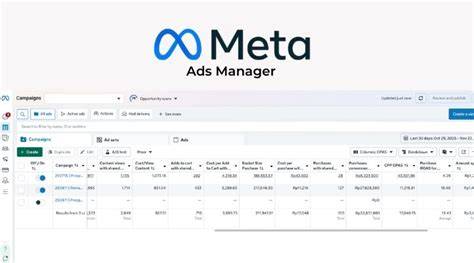
Meta Ads Manager gives you several ways to track and manage frequency. The Frequency metric shows the average number of times each person saw your ad. You can compare this with CTR, CPC, and cost per result to spot signs of fatigue or saturation. Frequency caps let you limit how often your ads show to the same person. Split testing helps you experiment with different frequency settings or ad creatives. You can also break down frequency by age, gender, or placement to find audience segments where frequency might be too high. Using these tools regularly helps you adjust frequency before costs and engagement suffer.
What common mistakes do advertisers make about frequency and cost?
Many advertisers either overlook frequency or assume higher frequency always leads to better results. Some believe more views automatically mean more sales, but this often backfires due to ad fatigue and rising costs. Others fail to refresh creatives, so their audience gets bored with the same ad. Another common mistake is focusing only on reach while ignoring frequency, letting frequency climb out of control. These errors waste budget and hurt campaign performance. Managing frequency carefully is essential to avoid these pitfalls.
What’s the best way to test and find the right frequency for my ads?
Start by running small tests where you change your audience size or set different frequency caps to see how key metrics respond. For example, create two similar ad sets—one with a low frequency cap and one with a higher cap—and compare CTR, CPC, and cost per conversion after a few days. Watch for when your costs rise and engagement falls. Testing different creatives alongside frequency can also reveal how much variety your audience needs to stay interested. These insights will help you find the right frequency that balances cost and results for your business and goals.
Conclusion
Begin by checking your current ad frequency along with cost and engagement trends. If frequency climbs while costs rise and CTR falls, it’s time to refresh your creatives or expand your audience. Don’t chase a specific frequency number; focus on how your ads perform at different frequencies. More exposure doesn’t always mean better results—after a point, it usually doesn’t. A good outcome looks like steady or improving CTR with controlled frequency and reasonable cost per result. Start small, test, and adjust until your ads stay fresh, your audience stays interested, and your budget works smarter.
Frequently Asked Questions
How can I tell if my ad frequency is too high?
If your click-through rate is dropping, costs per click are rising, or engagement is falling while frequency goes up, those are signs your audience is seeing your ad too often.
Does a higher ad frequency always mean better results?
No. Some frequency helps people remember your ad, but too much causes ad fatigue, which lowers engagement and raises costs.
Can I control ad frequency in Meta Ads Manager?
Yes. You can monitor frequency, set frequency caps to limit how often the same person sees your ad, and use breakdowns to check frequency by audience segments.
Is there a recommended frequency for all campaigns?
No. The ideal frequency depends on your goals and audience. Awareness campaigns usually tolerate higher frequency, while conversion campaigns often need lower frequency to avoid wasting budget.
What’s a simple way to find the right frequency for my ads?
Try testing different frequency caps or audience sizes, then compare metrics like CTR and cost per conversion. Use what you learn to adjust frequency for your goals.